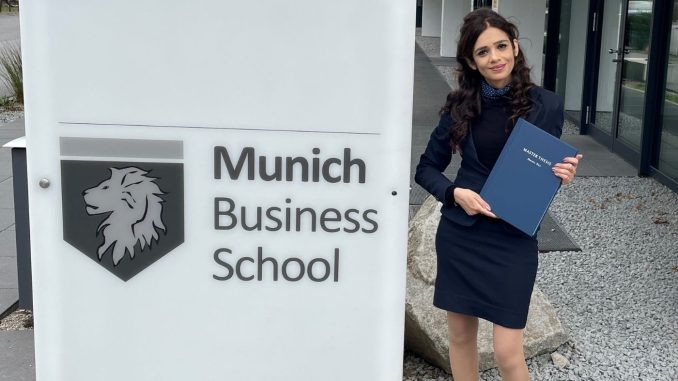
Shweta Dua is a graduate of the MBA in General Management, Class of 2020, and completed her degree in March 2021. Today, she works as Group Senior Sales and Profit Controller within the private-label segment of a leading dairy group, partnering closely with business units in Germany and the UK.

In her role, she operates at the intersection of finance, strategy, and operations. By working directly with controlling teams and cross-functional stakeholders, she focuses on performance analysis, transparency, and translating data into clear, actionable insights. Her work supports management in driving profitability, efficiency, and sustainable growth in a highly competitive market.
In this interview, Shweta shares insights into her journey from India to Germany and what advice she would give to students moving to Germany.
What motivated you to come to Germany for your studies?
A Leap beyond comfort – From Stability to Reinvention!
After twelve rewarding years at the German Cultural Centre of the Federal Republic of Germany in India – including six years in a leadership role – I reached a stage where I wanted to push beyond the comfort of public sector stability. While I had built a respected and secure career, I felt a strong inner drive to explore the private sector—a space that thrives on agility, innovation, and global business dynamics.
Choosing to make this shift at the peak of my career meant stepping away from everything familiar: returning to academics, moving to a new country, and starting from scratch. It was one of the most challenging, yet transformative decisions of my life driven by a deep desire to reinvent myself, broaden my international perspective, and embrace the opportunities that come with stepping outside one’s comfort zone.
Germany was the natural choice for this reinvention. My professional journey had already connected me deeply to German values—precision, reliability, and long-term thinking—so studying here felt like the right launchpad for a private-sector pivot.
How was the beginning for you – both academically and personally?
The Beginning: An Unexpected Test of Resilience
I still remember landing in Germany full of excitement—and just two weeks later, the world shut down. That sudden shift from classroom learning to complete isolation was something I could never have imagined. Overnight, I was navigating a new country, adapting to an unfamiliar education system, and coping with the loneliness of being far from home—all at once.
Academically, returning to studies after years of professional experience was both exciting and humbling. It demanded a mindset shift – embracing curiosity, unlearning old patterns, and adapting to a system that emphasized practical application and critical thinking.
Personally, it was a true test of emotional strength. Settling into a new country is challenging under normal circumstances, but doing so during a global lockdown required patience, discipline, and optimism.
In hindsight, those months became my greatest teacher. They sharpened my resilience, adaptability, and self‑leadership. I learned to embrace digital learning and create meaningful connections online. Those early months didn’t just shape my MBA – they rewired my mindset to thrive in change – a skill that continues to define my career.
What were the biggest challenges when settling in (language, culture, studies, etc.) -and how did you overcome them?
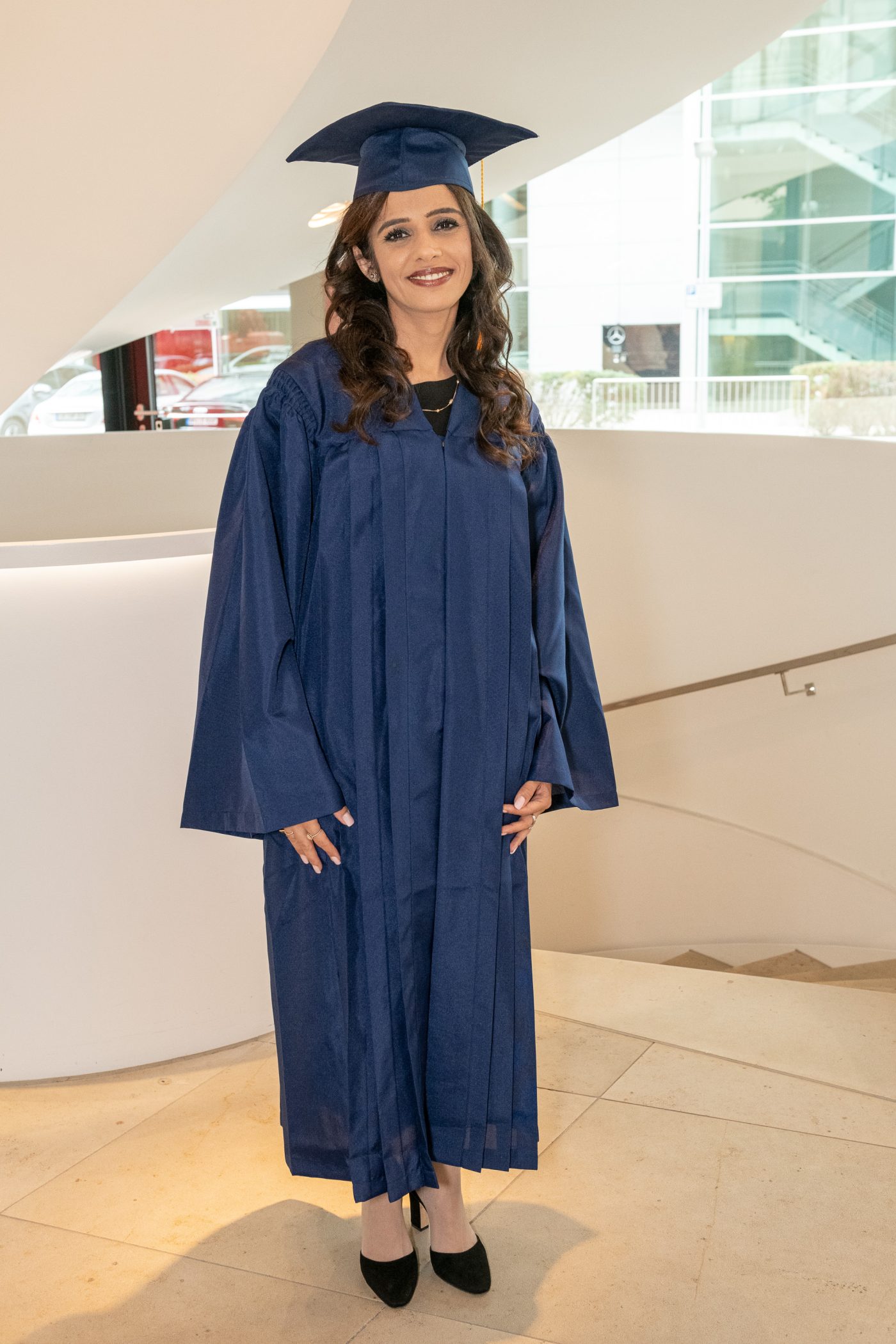
The biggest challenge was starting life in a new country right in the middle of a global pandemic. Everything I had envisioned—immersing in campus life, networking face-to-face, exploring the city—was replaced by lockdowns and uncertainty. Even basic tasks – navigating bureaucratic formalities such as securing a residence permit, opening a bank account, and arranging everyday necessities in a new city – became unexpectedly complex under pandemic restrictions. On top of that, building a social and professional network virtually was not easy.
But instead of letting these circumstances limit me, I embraced them as an opportunity to grow. I leveraged digital platforms to stay connected, actively engaged in online classes and networking events, and reached out to peers and professors to create meaningful relationships. These efforts not only helped me settle in but also taught me resilience, adaptability, and the power of staying proactive in the face of adversity.
What helped you most at MBS to adapt and succeed?
Adapting to a new academic culture during a global pandemic wasn’t easy—but MBS made it possible!
What helped me most at MBS was its unique blend of academic rigor and practical learning. The faculty’s supportiveness and approachability created an environment where curiosity was encouraged, and diverse perspectives were valued. The focus on teamwork, case studies, and multicultural collaboration went beyond developing business skills – it sharpened my cultural intelligence and adaptability, which have become key assets in my career. This combination of skills and mindset naturally set the stage for a deeper transformation.
Coming from a public-sector background, the program gave me the confidence to navigate a performance-driven corporate environment. Even during the pandemic, the interactive learning approach and the richness of a diverse peer group kept the academic experience vibrant and engaging. Ultimately, MBS didn’t just prepare me for my next role—it empowered me to thrive in complexity, approach challenges with resilience and empathy, and embrace a truly global perspective.
What differences have you noticed between studying or working in India and in Germany?
Two countries, two systems—and a world of learning in between!
One noticeable difference is the structure of learning. In India, programs often involve more classroom hours and guided instruction, which helps build a strong foundation and ensures continuous engagement with faculty. In Germany, the approach leans toward self-directed learning, encouraging students to take ownership of their studies, explore resources independently, and apply concepts through projects and case studies. Both styles have their advantages—one fosters discipline and depth, while the other nurtures autonomy and critical thinking. Experiencing both systems gave me the best of both worlds which has been invaluable in accelerating my career and shaping the way I approach complex challenges.
When it comes to work culture, Germany places strong emphasis on structured planning, precision, and well-defined processes, ensuring clarity and consistency. In contrast, India thrives on dynamism and adaptability, where quick decision-making and flexibility are key strengths. Experiencing both has taught me the importance of combining structure with agility to achieve sustainable success.
Looking back, is there anything you would do differently during your studies?
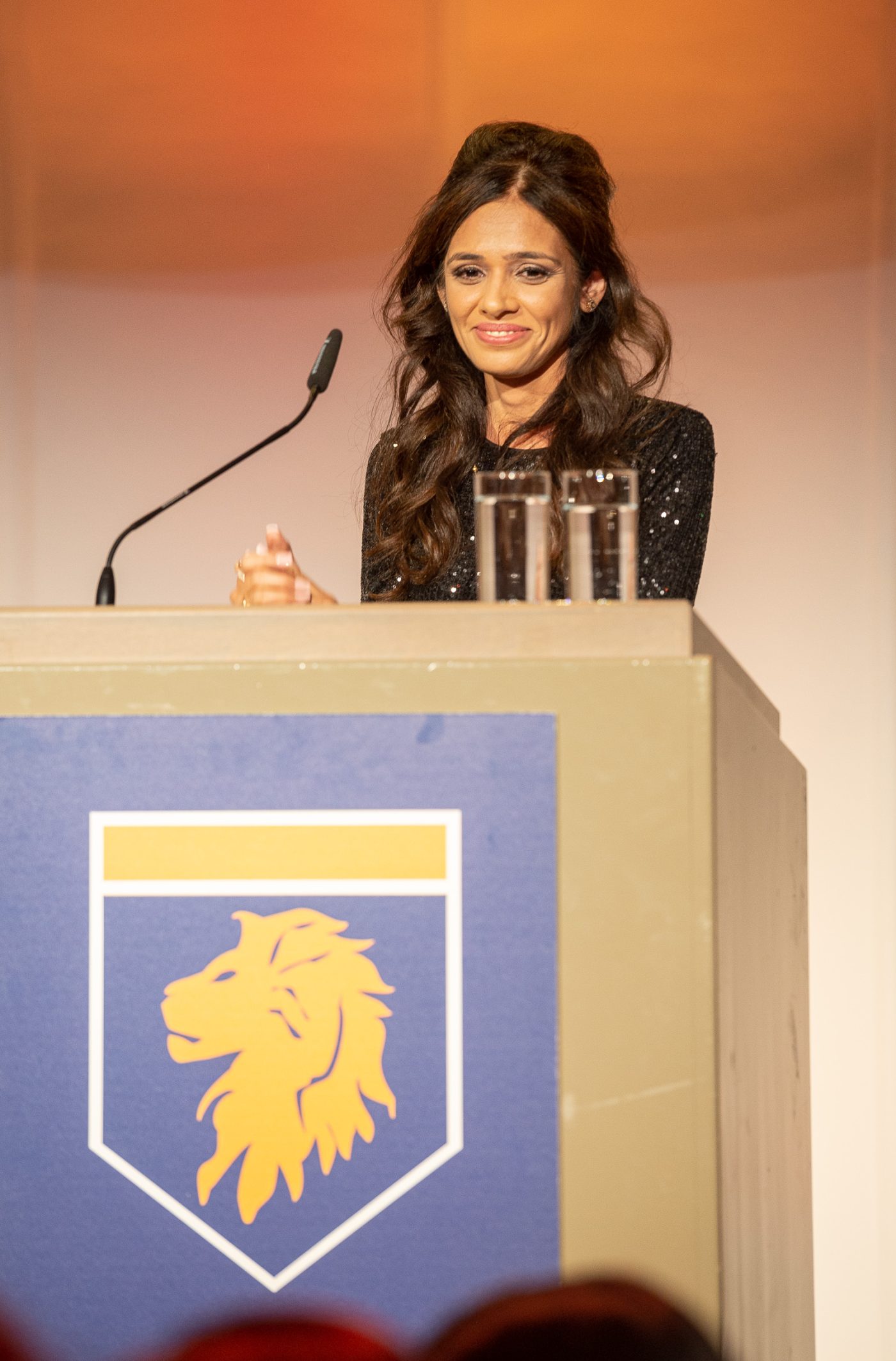
If I could relive my MBA experience, I’d start networking earlier. I still remember how my introverted nature and the pandemic kept me initially focused on academics and adjusting to life in Germany. Over time, I realized that genuine conversations often open doors far beyond what a résumé can. That’s a lesson I wish I had embraced sooner. The international environment at MBS is remarkable, and investing more actively in building relationships would have enriched my learning journey even further—both personally and professionally.
What advice would you give to other students from India who are planning to study in Germany or have just started?
Moving to a new country is a big transition, and my first piece of advice is simple: be patient with yourself. Adapting to a different culture, academic system, and lifestyle takes time. Progress isn’t instant—it’s steady. Every step adds to your confidence and resilience. Trust the process; the growth you experience will be meaningful and lasting.
Second, start learning German early. It’s more than a skill—it’s a gateway to culture, trust, and belonging. Even basic proficiency can transform your experience, opening doors to friendships, internships, and professional opportunities.
Finally, don’t compare your journey with others. Everyone’s path is unique—some adapt quickly, others take longer—and that’s perfectly okay. Focus on your own progress, celebrate small wins, and measure yourself only against your past self. Your persistence and growth will become your greatest strength.
If you’re planning to study in Germany or have just started, remember: patience, language, and self-focus will make your journey rewarding.
What opportunities do you see for international graduates in Germany – especially for Alumni from India?
Germany offers international graduates a wealth of opportunities—from established sectors like IT and engineering to emerging fields such as green technology and digital innovation. Alumni from India bring a unique advantage: resilience, strong technical expertise, and the ability to thrive in multicultural environments. By embracing Germany’s core values of reliability, precision, and consistency, graduates can build trust, turning opportunities not just into doors, but into gateways for long-term growth and meaningful impact.
What advice would you give your student self back then?
If I could whisper one thing to my younger self, it would be this: Starting over is not a setback—it’s an act of courage. Leaving behind what’s familiar to build something new, even after success, is how growth happens. Every fresh start is a testament to resilience and ambition. So, trust yourself—you’re stronger, braver, and more capable than you imagine.
Are you still in touch with other alumni?
Connections don’t end at graduation—they evolve. I truly value the connections I made at MBS and the shared experiences with my classmates. While the frequency of interactions naturally changes over time, the alumni network remains an important part of my professional journey. I often reconnect through LinkedIn and explore collaborative opportunities whenever possible. These connections remind me that learning and growth continue long after the classroom.
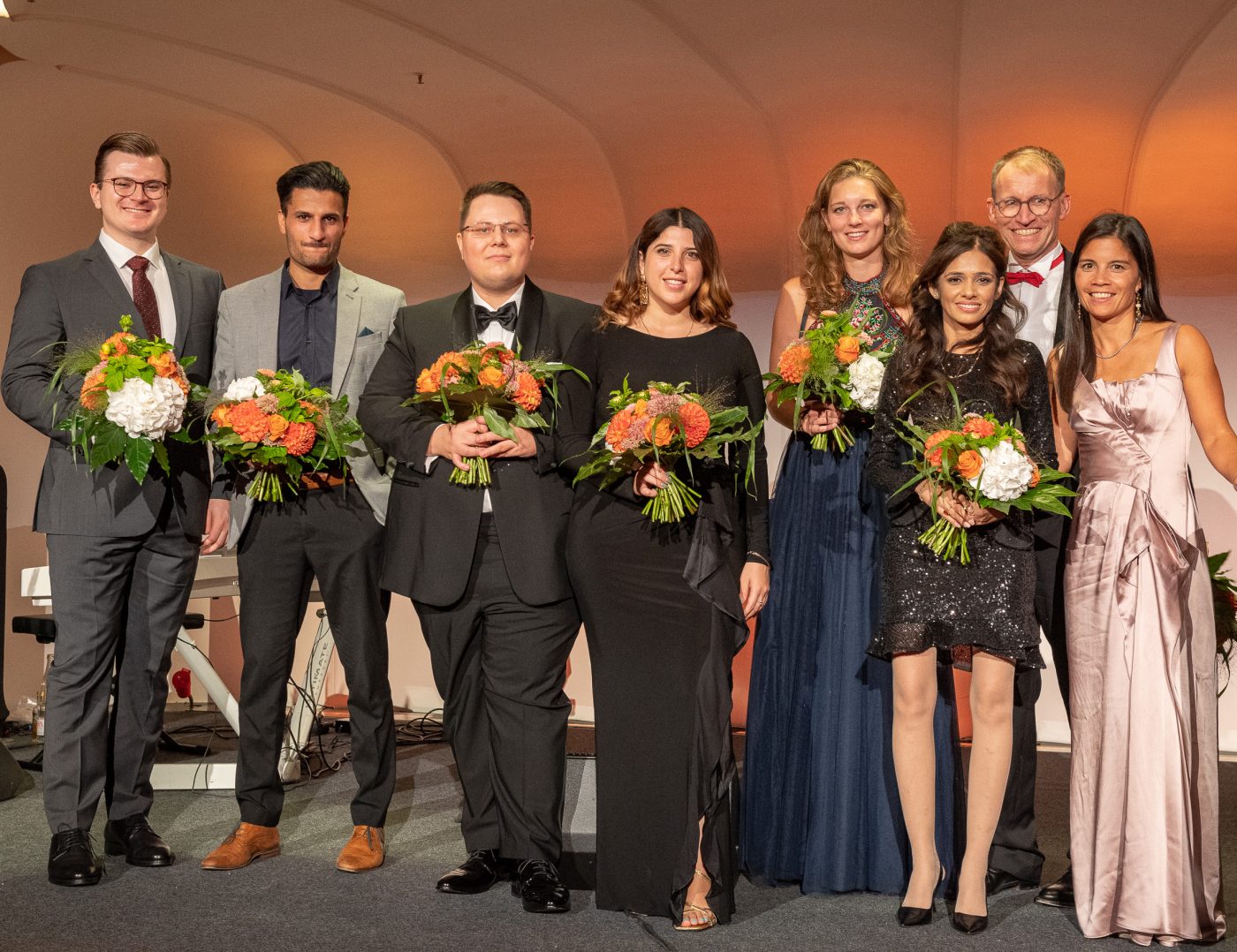
Tips for effective networking during and after your studies
Networking isn’t about collecting contacts—it’s about building trust! The most impactful connections are authentic and rooted in curiosity. To make that happen, here’s how you can approach networking at different stages of your journey:
During your studies: Engage actively in class discussions, group projects, and extracurricular activities. Build relationships based on shared interests and mutual learning rather than just future benefits.
After graduation: Stay curious and maintain connections selectively. Offer support, share insights, and celebrate others’ achievements. Even occasional interactions can lead to meaningful collaborations, mentorships, and unexpected opportunities.
Golden rule: Be genuinely interested in people’s journeys—not just their job titles. Curiosity and empathy create lasting professional bonds.
Key milestones in your career – and the role MBS played
Two bold moves shaped my career—and MBS was at the heart of both: moving from India to Germany and transitioning from the public sector to the private sector. Both changes demanded a completely new mindset, adaptability, and a fresh set of skills.
MBS played a pivotal role in this transformation. It provided me with a global perspective, practical business tools, and the confidence to navigate complex challenges. The international exposure and hands-on learning at MBS empowered me to embrace change, think strategically, and position myself for success in a competitive global environment.
One key takeaway from your studies
If I had to sum up my biggest takeaway from MBS in one sentence, it would be this: Adaptability and lifelong learning are non-negotiable. My experience at MBS reinforced that success in a global environment goes far beyond technical expertise—it requires cultural intelligence, agility, and the courage to embrace change. These qualities are what turn challenges into opportunities and keep you relevant in an ever-changing world.
Special moments or challenges during your time at MBS
Some moments stay with you forever—because they change how you lead and how you live. One of the most unforgettable experiences at MBS was the C-Suite simulation during the very first week on campus—just before COVID changed everything. Stepping into the roles of CFO and CHRO in a high-pressure environment felt exhilarating and intimidating at the same time. Navigating a fast-paced, high-stakes business environment where decisions had to be made in real time with limited information. In just one week, we experienced the full spectrum of running a company—strategic planning, financial crises, people challenges, and market shifts. There was hardly time to think, yet every decision mattered. That intense, immersive experience taught me the essence of leadership under pressure, the importance of collaboration, and the ability to make bold choices with confidence. It was a crash course in adaptability and strategic thinking that still shapes how I approach challenges today.
The toughest challenge, however, was leaving the peak of my career and the comforts of home to start from scratch in a new country. From navigating culture and language to managing life independently, every step pushed me beyond certainty. That leap taught me resilience and adaptability—and proved that true growth begins where comfort ends.
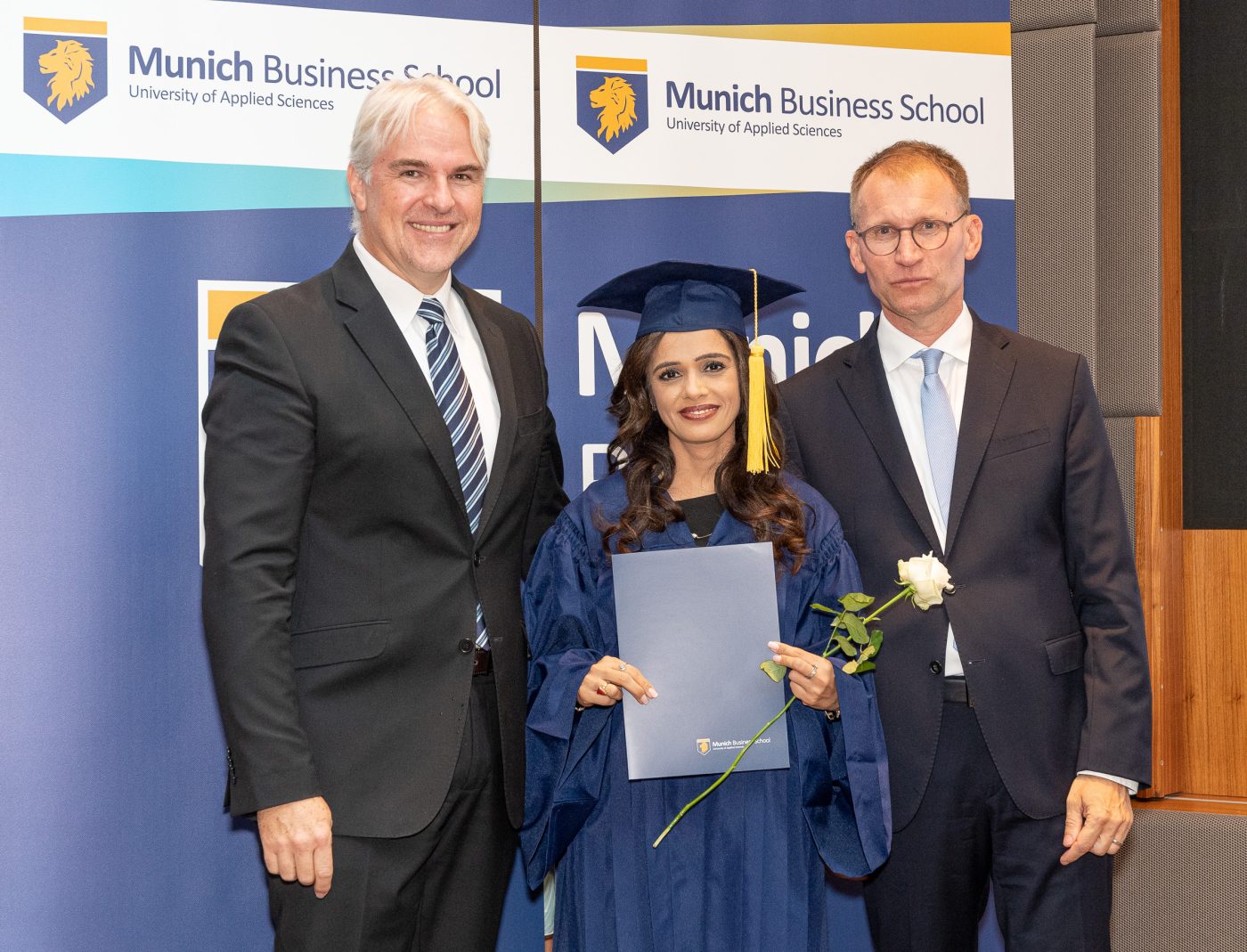
Conclusion
Looking back, my journey from India to Germany was far more than an academic pursuit—it was a transformation of mindset, resilience, and ambition. Every challenge became a stepping stone, every uncertainty a lesson in adaptability.
My advice: Embrace the unknown, keep investing in learning, and never stop upskilling yourself—because growth begins where comfort ends.
If there’s one mantra that guides me, it’s this:
Life is a journey of courage, adaptability, and continuous learning—where the only race worth running is against the person I was yesterday.