How do you find your own path into the family business—without being seen as just “the daughter of”? In this interview, MBS alumna Milena Fritz talks about her journey from psychology to management, her role as Co-CEO, balancing family tradition with innovation, and why open conversations are the key to successful succession.
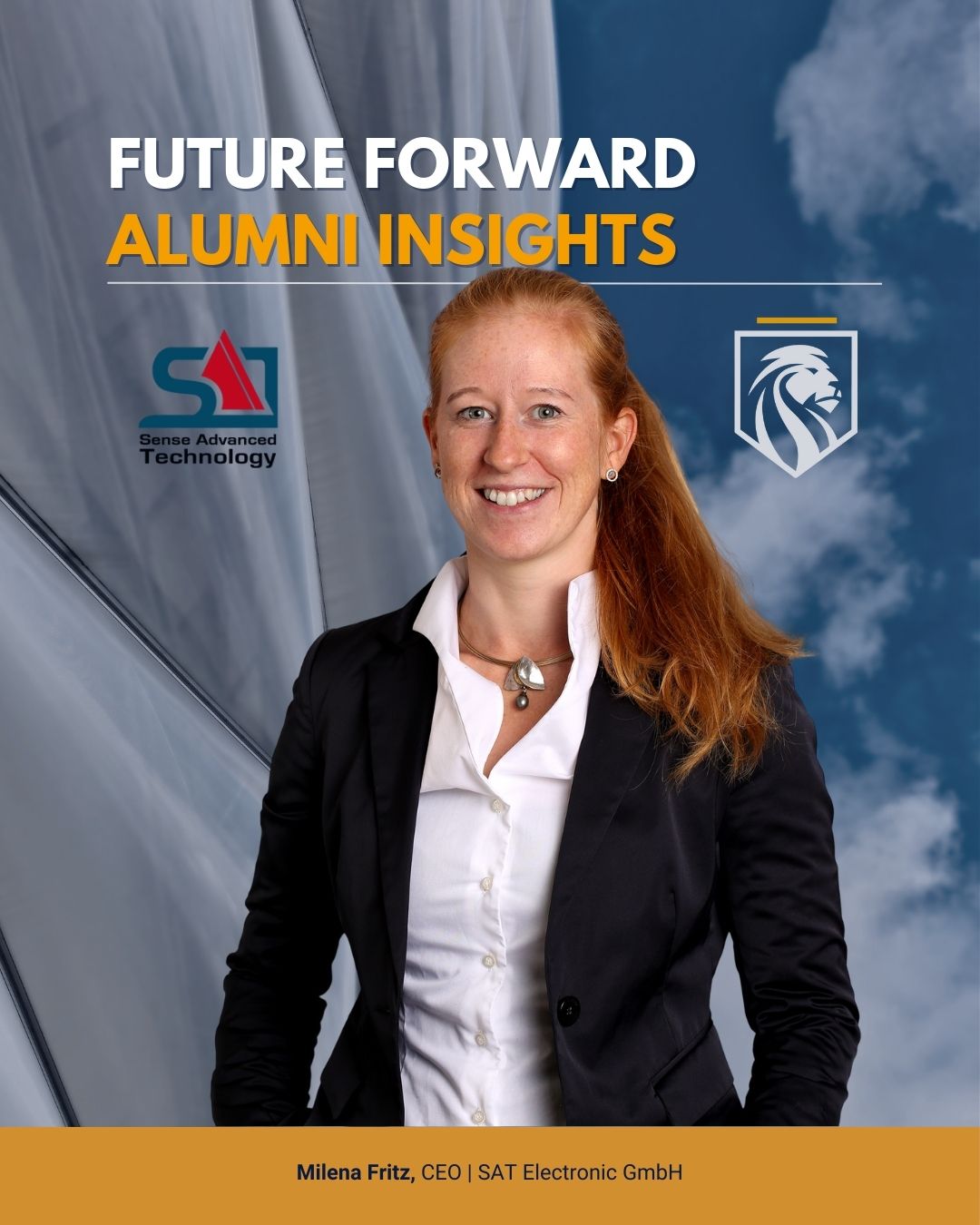
Name: Milena Fritz
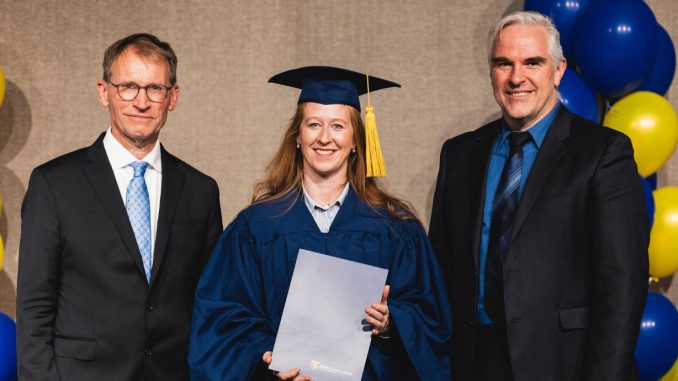
Studies at MBS: MBA General Management (part-time), graduated in 2025
Current Position: Co-CEO of a family business together with Alexander Weigl
Did you always plan to join the family business, or did that develop over time?
It actually developed over time. My parents founded the company while my mother was pregnant with me. I grew up with the business—it was always something like a second home. Still, I first chose to follow my own path and studied psychology because for a long time I wanted to keep my options open as to whether I would work in a therapeutic or a business-related field.
Only through various internships in companies and clinics did it become clear that I was more drawn to the business side. After that, I worked as an HR Business Partner at a financial institution, where I gained many insights into strategy and organizational development. The final decision to join the family business came when my father retired and stepped down from his role as managing director.
After making that decision, you chose to pursue an MBA at MBS. What aspects of the program helped you most in preparing for your role?
My previous background was not very business-focused—especially in finance, I had some catching up to do. This is exactly where MBS supported me very well. Many of the modules were highly practice-oriented, which allowed me to apply what I learned directly in the company.
In general, this practical focus helped me a lot. At many universities, a lot of theory is taught, but not necessarily how to apply it in your own professional environment. At MBS, it was different. The small class sizes were also a major advantage for me, as they allowed time for exchange, discussions, and real networking.
What makes working in a family business particularly appealing to you?

Above all, the flat hierarchies and short decision-making paths. Communication is everything for us. No one is just an employee number—the person and their story matter. I know all our employees and also their families. At celebrations or company events, we always invite partners as well, because a stable family environment has a strong influence on motivation and performance.
In addition, there’s entrepreneurial flexibility: ideas can be introduced at any time and are often implemented quickly, without long decision-making processes. Another important aspect is that short-term profit maximization is not our top priority. We consciously reinvest to strengthen the company and our employees in the long term.
What challenges do you experience when working with family members, and how do you deal with them?
Family and work naturally overlap a lot. Sometimes business topics come up even at breakfast or dinner. That’s why it’s important to consciously create times when you are simply family.
Conflicts are part of it—there are also discussions between my father and me. What matters is that we both know how to differentiate well. Once an issue is resolved, it’s emotionally closed. Respect is the key value here: taking the other person’s opinion seriously—on both sides, between the senior and junior generation.
How do you balance family tradition with new ideas and innovation?
For me, that’s not a contradiction. My father has always believed that standing still means falling behind. We continue that mindset. The phrase “We’ve always done it this way” doesn’t exist for us.
Of course, change takes time, and not everyone immediately embraces it. That’s why it’s important for us to involve our employees and communicate transparently.
To what extent can you make your own decisions, and where are family structures more noticeable?
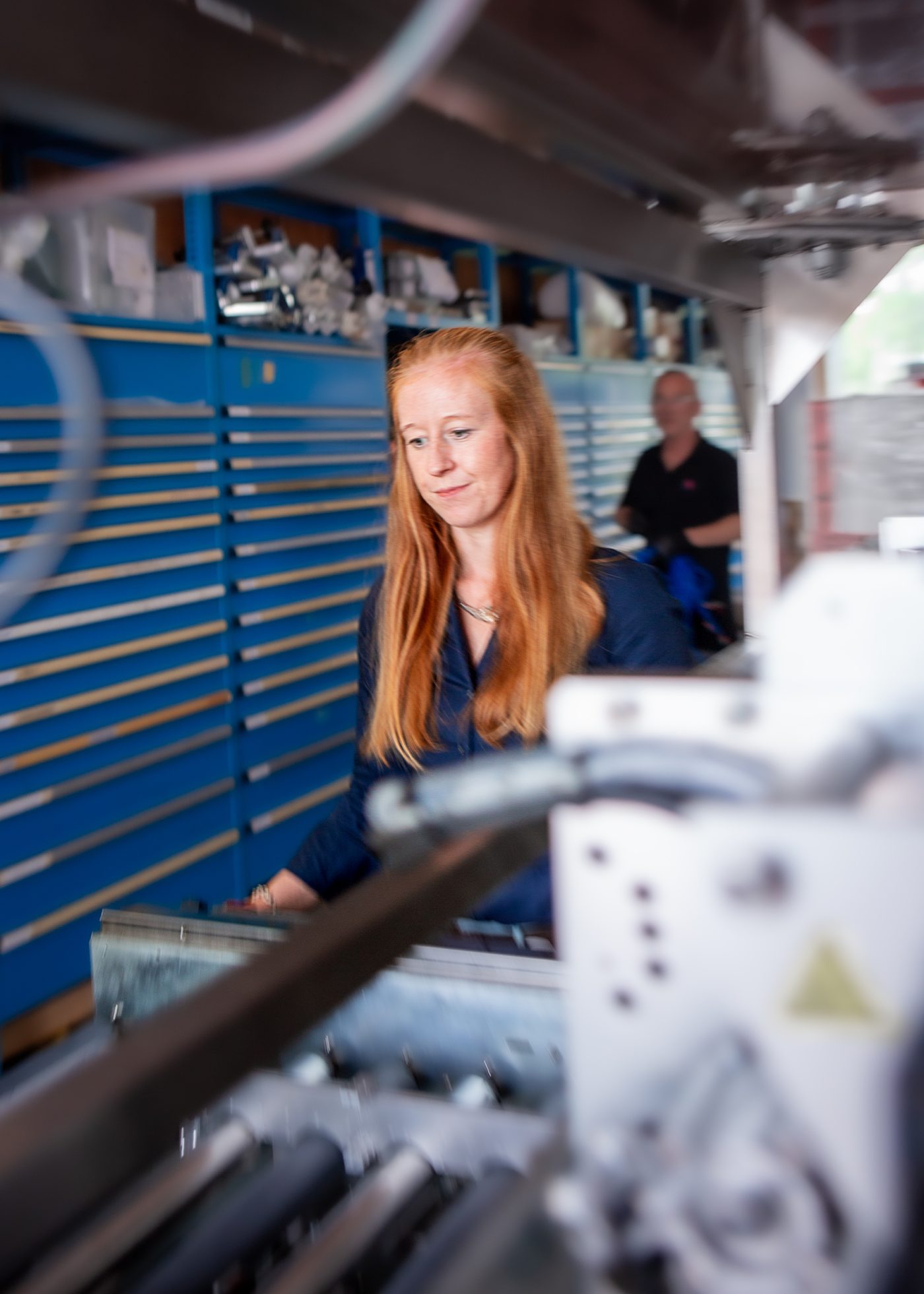
In principle, I can make decisions freely. At the same time, I’m very glad that I can still draw on my father’s experience in certain areas—especially technical topics. He is an important sparring partner for me.
Was there a moment when you had to redefine your role within the company?
Yes, especially at the beginning. Some employees have known me since I was a child. I had to clearly redefine my role—from the founders’ daughter to managing director.
It helped that roles within the company were clearly communicated. The senior generation was no longer responsible for decisions. That clarity made many things easier. Where this is not clearly defined, it can become much more difficult.
Is there a plan for future succession or transition within the family?
Yes, the transition has already been formally arranged. On paper, everything has been handed over. At the same time, my parents are still welcome to remain active in the company for as long as they wish. We work closely and trustfully together.
What advice would you give to other MBS students who are considering joining a family business?
First, you should be honest with yourself: Do I really want to work with my family? That’s not the right choice for every person or every family.
Open conversations are also extremely important—about expectations on both sides. Who takes on which responsibilities and when? How much decision-making freedom is there? Which values are central? Financial topics such as salary and shares should also be discussed. That can feel uncomfortable, but it’s essential.
External support, for example from tax advisors or succession consultants, can also be very helpful.
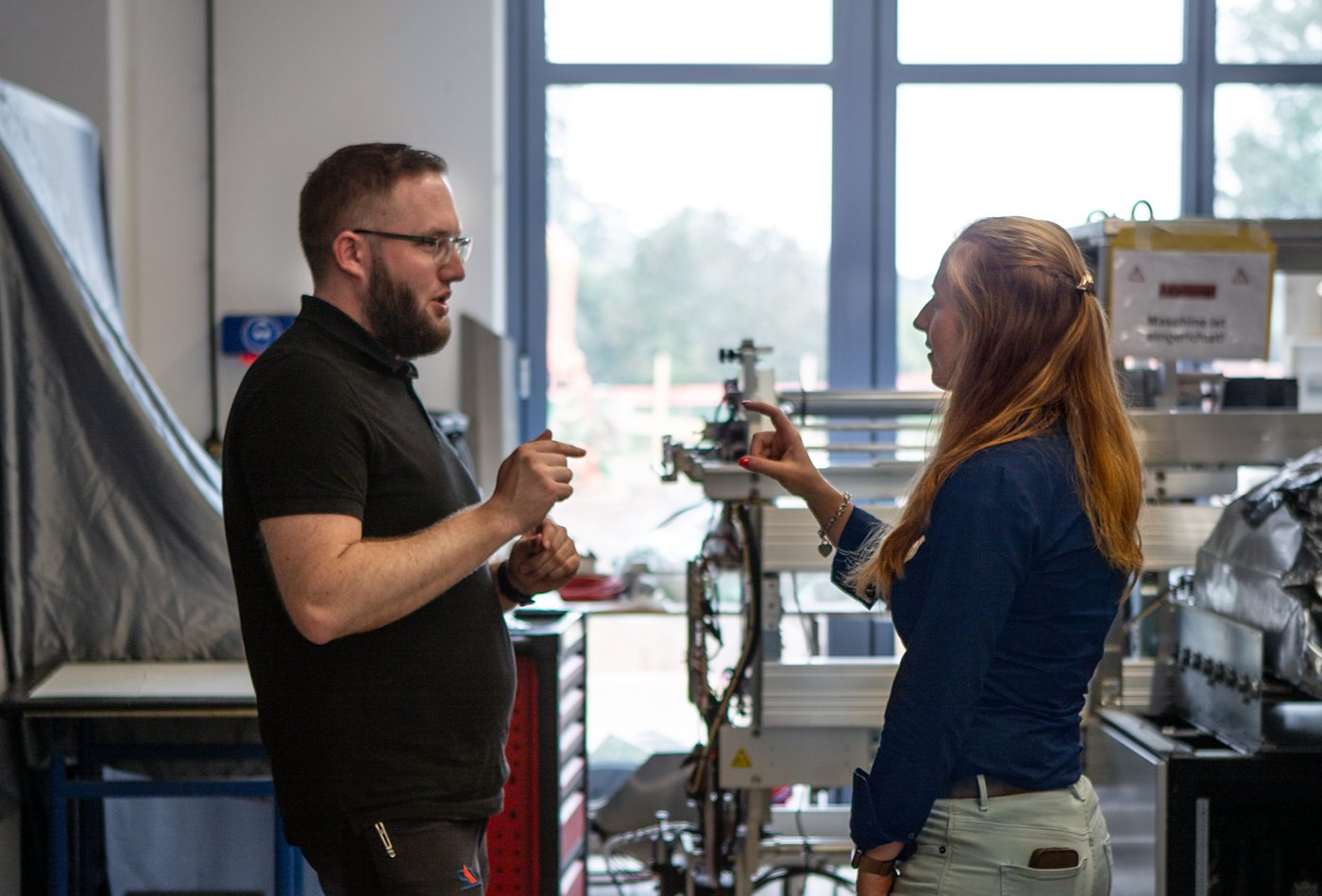
Which stages of your career have been particularly influential, and what role did MBS play in that?
I completed a bachelor’s degree in psychology followed by a double-degree master’s in Psychology & Management as well as General Management in Munich and Scotland. After that, I pursued an MBA at MBS. Professionally, I most recently worked as an HR Business Partner at HVB/UniCredit, with positions in Italy and England.
MBS particularly helped me deepen my business knowledge in a practical way and refine my individual development path.
Was there a key insight from your studies that still influences you today?
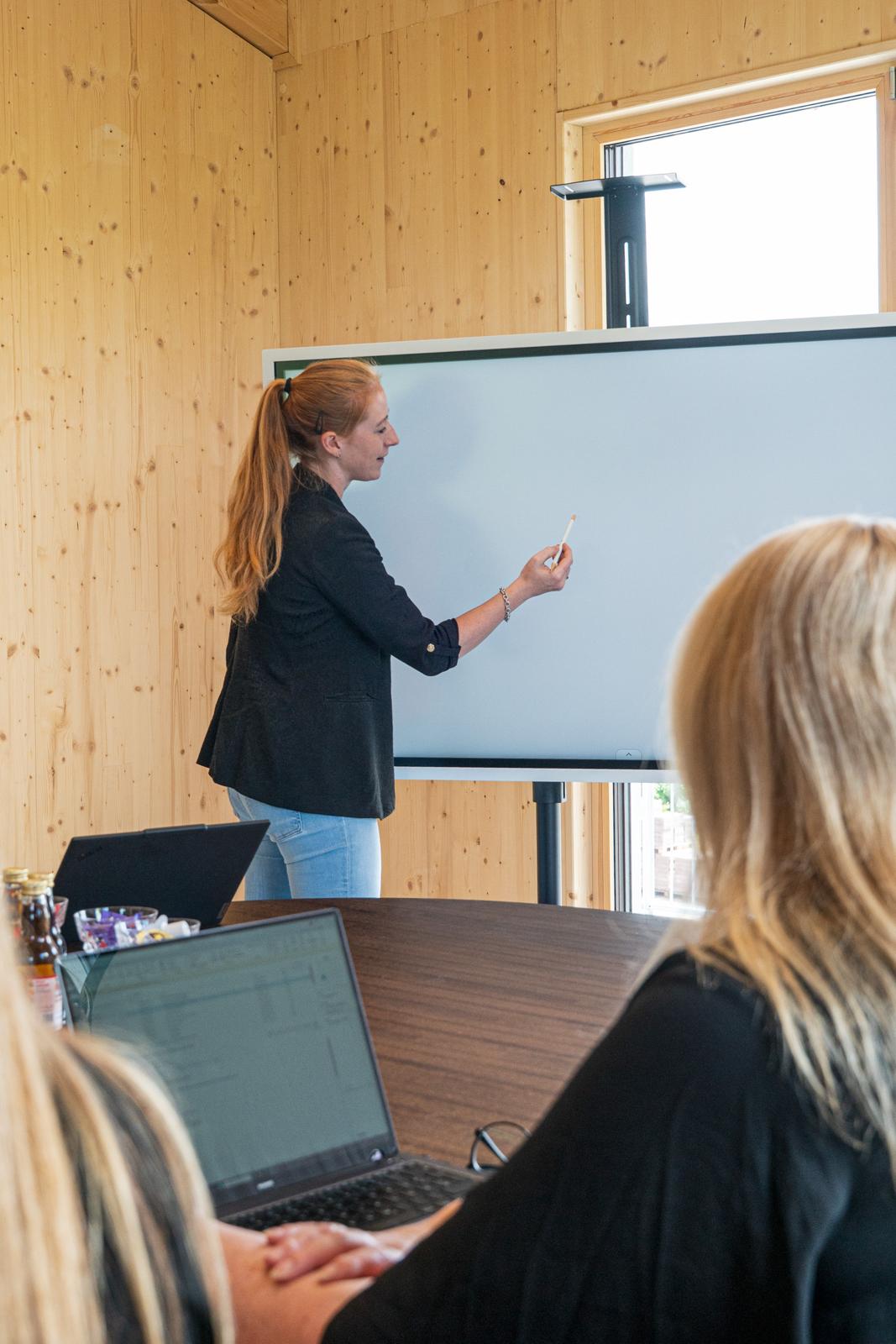
Yes: diversity matters. Different perspectives—across generations, genders, and cultural backgrounds—come together to form a bigger whole. For me, that’s a decisive success factor for companies.
Are you still in contact with other alumni today?
Yes, and for me, that’s one of the most valuable aspects of an MBA. The network lasts far beyond graduation.
What tips do you have for successful networking during and after your studies?
Take advantage of every opportunity and approach people openly and respectfully. If you stay curious and go through life with open eyes, many opportunities arise naturally.
What advice would you give to students who want to enter your industry?
In electronics manufacturing, a strong network is extremely important. It’s a very complex field—almost like a small world of its own. Mentors are particularly valuable in making it easier to get started.
Which qualities are especially in demand among young graduates today?
Initiative and proactivity. Not just pointing out problems, but thinking through solutions yourself and approaching supervisors with concrete suggestions. That’s how real development happens within a company.
For me, succession does not just mean taking on responsibility, but also carrying forward trust—in people, in shared values, and in the future of the company.