


Last chance: €4,000 Early Bird discount  on all MBA applications with deadline April 30, 2026
MBS Logo

Language Trips: Vacation, learn a language & experience culture!

Language Trips offer a unique and effective way to learn a new language while immersing yourself in the culture of the destination country. In this article, we take a closer look at the benefits of Language Trip, explain lots of information about it and give tips on how to get the most out of this enriching experience.

Mann sitzt entspannt am Flughafen und schaut Flugzeug nach – Sinnbild für Tipps aus einem Ratgeber Auslandsstudium

What is a Language Trip?

A Language Trip is a trip to a country where the language you want to learn or improve is spoken. The aim of such a trip is to intensify language skills through direct contact with native speakers and constant confrontation with the language in everyday life. Language Trips are typically organized programs that combine language lessons with cultural and leisure activities. Participants attend language courses, often offered by specialized language schools, and take part in excursions and events that help them to better understand the culture of the host country and gain practical language experience.

Language Trips are aimed at people of all ages and language levels, from pupils and students to adults and business people. They offer an intensive learning experience aimed at rapidly improving language skills while developing a deep cultural understanding. They can last from one week to several months, depending on participants' goals and availability.

Advantages & Disadvantages of Language Trips

This table provides a clear overview of the positive aspects and potential challenges of Language Trips, which can help in the decision-making process.

Advantages Disadvantages
Improved language skills through immersion: Daily practice in real-life situations promotes fast and deep learning. Costs: Language Trips can be expensive, including tuition, accommodation, travel costs, etc.
Deeper cultural understanding: Direct experience of the culture improves understanding of linguistic nuances. Homesickness and cultural adjustment: Adjusting to a new culture can be challenging; homesickness is possible.
Personal development: Promoting independence, self-confidence and intercultural skills. Language barriers: Initial difficulties in understanding and speaking can be frustrating.
Building international networks: Making friends and professional contacts worldwide. Time commitment: A Language Trip requires a significant time investment, often several weeks to months.
Unique experiences and adventures: Opportunity to visit unforgettable places and try out new activities. Security concerns: Security risks, especially in less stable regions.
Read on now: Deepen your knowledge

Requirements for a Language Trip

The requirements for a Language Trip can vary depending on the provider and program, but there are some general aspects to consider for almost all Language Trips:

  1. Language level: Many language travel programs are suitable for all language levels, from beginner to advanced. Language schools usually offer placement tests to place participants in the appropriate course levels. It is therefore not essential to have advanced language skills before taking part in a Language Trip.
  2. Age requirements: Some programs are specifically designed for certain age groups such as pupils, students, adults or seniors. It is important to choose a program that suits your age group.
  3. Passport and visa: Valid travel documents are a basic requirement. Depending on the destination country, a visa may also be required. Find out about the entry requirements in good time and start the necessary application procedures early.
  4. Health suitability: You should be physically and mentally fit to take part in a Language Trip. In some cases, a medical certificate may be required, especially if medical precautions need to be taken or the travel program is physically demanding.
  5. Financial means: Language Trips can represent a considerable investment. The costs usually include tuition, accommodation, meals, travel expenses and additional activities. It is important to know the total cost in advance and ensure that you have sufficient funds for the duration of the trip.
  6. Insurance: International health insurance is usually required, and it may be useful to also take out travel insurance that covers trip cancellation and interruption.
  7. Motivation and attitude: An open and flexible attitude is crucial to the success of a Language Trip. A willingness to engage with a new culture and actively participate in the language learning process can greatly enhance the experience.

Checking these requirements can ensure that the Language Trip is not only successful, but also an enjoyable and enriching experience.

What are the Circumstances of a Language Trip?

A Language Trip is not only an opportunity to learn a language, but also to experience a culture first-hand. The circumstances of such a trip can vary depending on the organization, destination and personal preferences. Here are some typical aspects to consider when going on a Language Trip:

Accommodation

+

Meals

+

Transportation

+

Cultural Activities

+

Study Requirements

+
Study economics, start your career

Who can go on a Language Trip?

Language Trip is basically open to anyone who wants to improve their language skills and experience a new culture at the same time. Language Trips offer a wide range of benefits for different target groups and can be a valuable experience for anyone who wants to improve their language skills and experience new cultures at the same time.

Students and Teenagers

Many programs are specially tailored to younger participants and offer a combination of language lessons and cultural and leisure activities. These trips can also serve as preparation for school language exams.

University Students and Alumni

For this group, Language Trips offer the opportunity to improve their language skills, which can be beneficial for their academic and professional future. Such experiences are often also useful for gaining international experience and making contacts.

Adults and Professionals

Whether for professional development or personal interest, Language Trips for adults are popular for improving language skills, furthering careers or simply taking on a new challenge.

Seniors

Older adults also use Language Trips to stay active and gain new learning experiences. Many providers have special programs that are tailored to the needs and interests of seniors.

Entrepreneurs and Business People

For professionals working or planning to work in international markets, Language Trips can be an effective way to acquire or deepen necessary language skills.

Hobby and Leisure Learners

For people who simply want to learn a new language for the fun of it, Language Trips are a great opportunity to do so in a supportive and immersive environment.

Which Language Trip is right for you?

Choosing the right Language Trip can be a life-changing decision that will not only benefit your language skills, but also your personal and professional development. To help you make this important decision, we've put together several top 10 lists that highlight the best Language Trip options based on different criteria. Whether you're looking for the ideal country or the best language, our lists offer valuable insights to help you make the most of your Language Trip.

TOP 10 most popular languages for Language Trips

The most popular languages for a Language Trip often reflect global economic, cultural and educational trends. These languages not only provide access to the respective cultures, but also open doors in the global business world and in international relations. The following table shows how language influences the choice of destination country and which countries are typically chosen for learning certain languages. It provides a clear representation of the options available to Language Trip students worldwide. Here are the top 10 most popular languages for a Language Trip, based on demand and global prevalence:

Rank Language Popular countries for Language Trip
1 English United Kingdom, USA, Canada, Australia
2 Spanish Spain, Mexico, Argentina, Colombia
3 French France, Canada (Québec), Senegal, Morocco
4 German Germany, Austria, Switzerland
5 Italian Italy
6 Mandarin Chinese China, Taiwan
7 Japanese Japan
8 Portuguese Brazil, Portugal
9 Russian Russia
10 Arabic Egypt, United Arab Emirates, Morocco
Read on now: Deepen your knowledge

TOP 10 Language Trip Destinations

The selection of top language travel destinations may vary depending on the language and cultural interests you are looking for. The following destinations offer a combination of high-quality language schools, exciting cultural experiences and the opportunity to practise the language in an authentic context. When choosing a language travel destination, personal safety, the political stability of the country and the cost of living should also be considered. Each of these countries offers unique opportunities for Language Trip travelers, not only to learn the language, but also to immerse themselves deeply in the local culture. These are the TOP 10 most popular destinations frequently chosen by Language Trip travelers:

Skyline von Toronto bei Sonnenuntergang, perfektes Ziel für einen spannenden Auslandsaufenthalt in Kanada.
No. 10: Canada

Popular cities: Toronto, Vancouver, Montreal

Offers a high quality of life and the opportunity to learn both English and French, depending on the region. Canada is known for its diverse landscapes, from dense forests to large cities. Toronto, Vancouver and Montreal offer a high quality of life and are particularly known for their friendly and cosmopolitan atmosphere.
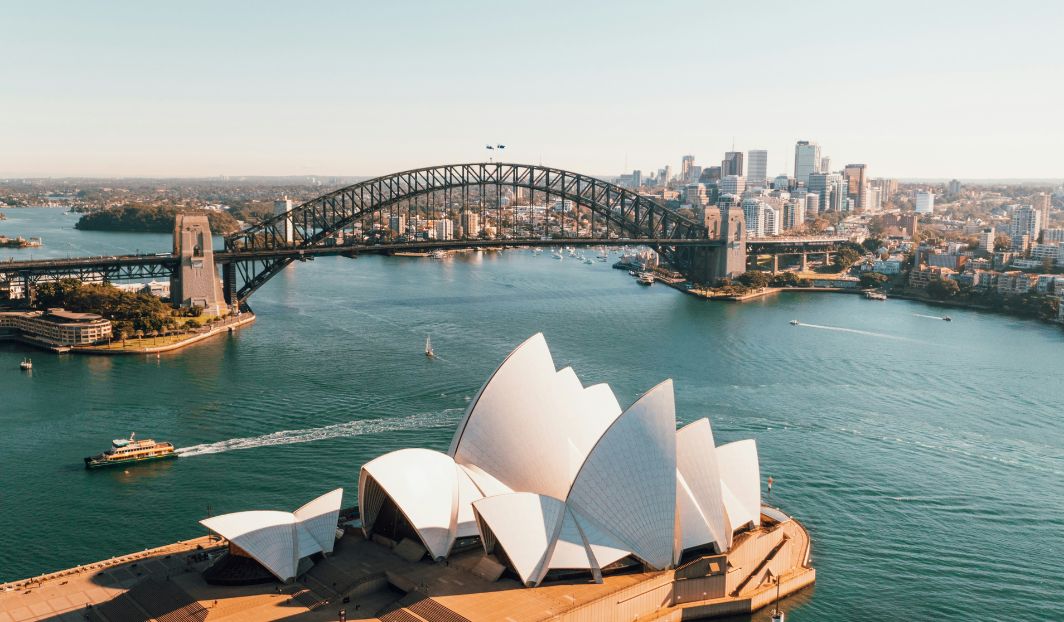

Blick auf Sydney Opera House und Harbour Bridge, perfektes Ziel für einen unvergesslichen Auslandsaufenthalt in Australien.
No. 9: Australia

Popular cities: Sydney, Melbourne

Offers English learners the opportunity to study in a relaxed and friendly environment while enjoying the natural wonders of Australia. Australia is known for its relaxed way of life, stunning natural landscapes and friendly cities. Sydney and Melbourne offer vibrant cultural scenes and are popular destinations for Language Trip students.

Blick auf die Chinesische Mauer in herbstlicher Landschaft – ein faszinierendes Ziel für Sprachreisen nach China.
No. 8: China

Popular cities: Beijing, Shanghai

Ideal for Mandarin learners who want to experience the rapid growth and traditional aspects of Chinese culture. China is a country with deep historical significance and rapid modern growth. Beijing and Shanghai are centers of Chinese culture and economy.

Blick auf den Fujisan und eine Pagode in Japan – ein inspirierender Ort für unvergessliche Sprachreisen nach Japan.
No. 7: Japan

Popular cities: Tokyo, Kyoto

A fascinating choice for those who want to learn Japanese and immerse themselves in the unique Japanese culture. Japan offers a unique blend of traditional culture and cutting-edge technology. Tokyo and Kyoto are known for their temples, gardens and vibrant city life.

Die Golden Gate Bridge in San Francisco, ein ikonisches Ziel für einen unvergesslichen Auslandsaufenthalt in den USA.
No. 6: USA

Popular cities: New York, San Francisco, Los Angeles

Suitable for English learners who want to experience American culture in large metropolitan areas. The USA is a melting pot of cultures with a dynamic and diverse society. Cities like New York and Los Angeles are centers of fashion, entertainment and business.

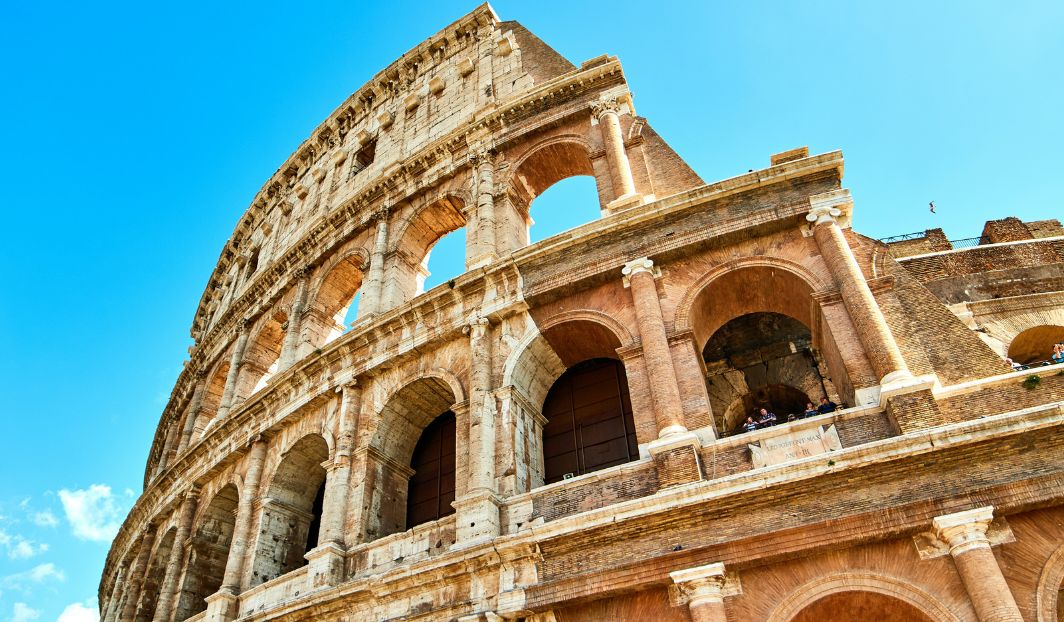
Das Kolosseum in Rom bei blauem Himmel – ein beeindruckendes Wahrzeichen für Sprachreisen nach Italien.
No. 5: Italy

Popular cities: Rome, Florence, Milan

Ideal for Italian learners and lovers of art, history and Italian cuisine. Italy is the heart of ancient history and Renaissance art. Cities like Rome and Florence offer incomparable cultural treasures and culinary experiences.

Frau läuft vor dem Eiffelturm in Paris bei Sonnenaufgang – Symbol für inspirierende Sprachreisen nach Frankreich.
No. 4: France

Popular cities: Paris, Nice, Lyon

An excellent choice for French learners who want to experience French culture, cuisine and lifestyle. France is the country of art, fashion and gastronomy. Paris attracts millions of visitors every year with its romantic charm and cultural richness.

Bunte Altstadt mit Café und Fahrrad, Beispiel für günstiges Reisen als Student in Spanien mit mediterranem Flair.
No. 3: Spain

Popular cities: Barcelona, Madrid, Seville

Perfect for those who want to learn Spanish while enjoying the vibrant Spanish culture and history. Spain is known for its vibrant culture, excellent cuisine and warm climate. Cities such as Barcelona and Seville offer impressive architecture and a rich history.

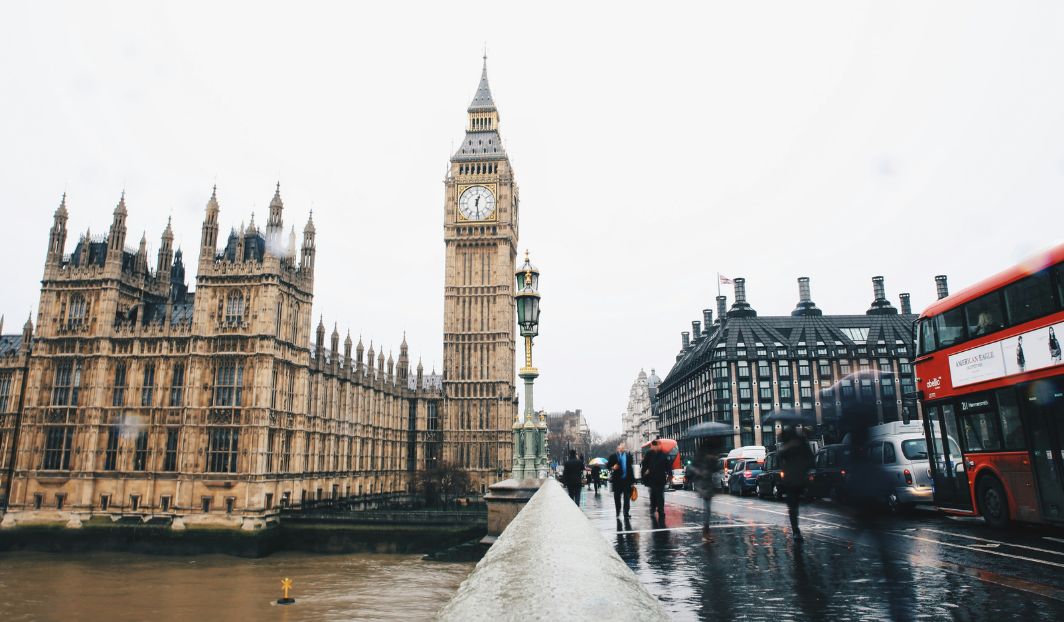
Big Ben und rote Doppeldeckerbusse in London, Symbol für einen spannenden Auslandsaufenthalt in Großbritannien.
No. 2: England

Popular cities: London, Oxford, Cambridge

Ideal for English learners who want to experience both traditional and modern cultural influences. England offers a fascinating mix of historical sights and modern cultural life. Educational institutions such as Oxford and Cambridge are world-famous and attract students from all over the world.

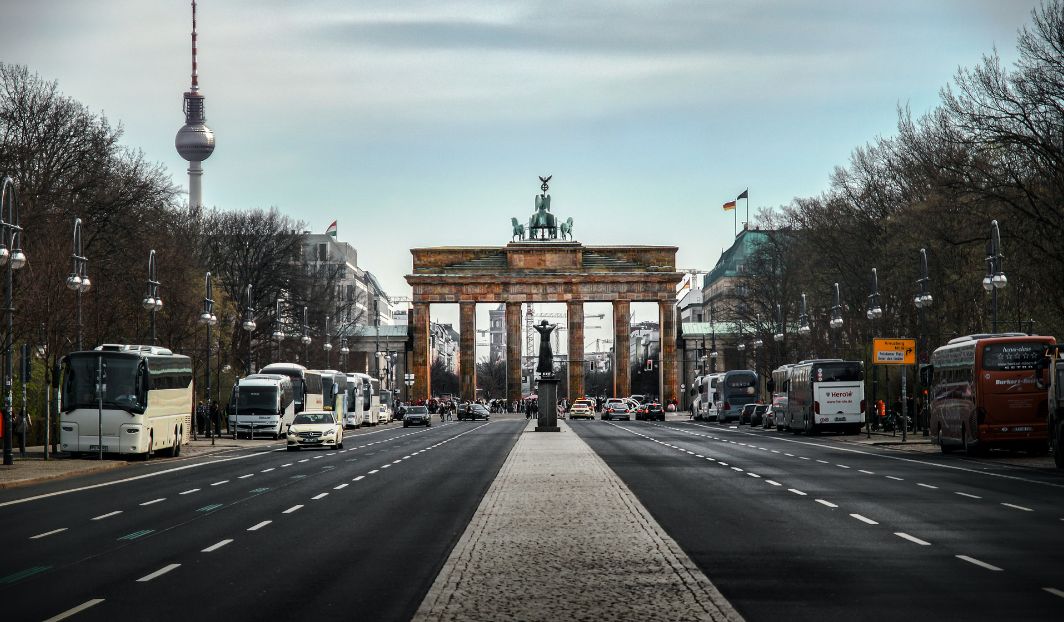
Das Brandenburger Tor in Berlin, ein kulturelles Highlight und Symbol für einen spannenden Auslandsaufenthalt in Deutschland.
No. 1: Germany

Popular cities: Munich, Berlin, Hamburg

Popular with those who want to learn German while exploring Germany's rich history and modern culture. Germany is known for its technological innovations and historical significance in Europe. Berlin, Munich and Hamburg are cultural hotspots with a vibrant art and music scene.

Study economics, start your career

How long should a Language Trip be in order to achieve effective learning success?

The ideal duration of a Language Trip depends on various factors, such as your language goals, starting level, time available and financial resources. These are some general guidelines that can help you determine the optimal length of stay for effective learning outcomes. In general, the longer the stay, the more profound and lasting the learning outcomes. A longer stay gives you the opportunity to use the language regularly in different contexts and to develop your language skills comprehensively.

Duration of stay Description Suitable for
Short-term trips 1-3 weeks Refreshing and improving existing knowledge, first immersion in the language and culture
Medium-term trips 1-3 months Acquire comprehensive knowledge, deeper cultural experiences
Long-term trips 3 months to a year Achieve fluency in the language, near-native competence in every day and technical communication
Individual factors Variable according to personal schedules and learning goals Adaptation to personal circumstances and specific learning needs
Intensity of the program Depending on the design of the program, shorter stays can be very intensive People who learn quickly and can complete a dense program

When is the best time for a Language Trip?

The best time for a Language Trip can depend on various factors, including personal circumstances, climatic conditions of the destination and cultural events. Here are some considerations that can help you determine the ideal time for your Language Trip:

  • Personal schedules and commitments: Choose a time that fits well with your academic, professional or personal calendar. For students, the summer months or other vacation times are often a good choice to avoid conflicts with the school year.
  • Weather conditions: Find out about the climate in the destination area at different times of the year. Some people prefer to visit destinations during the milder seasons to avoid extreme weather such as extreme heat or heavy rainfall.
  • Costs: Travel costs can vary depending on the season. In the low season, both airfares and accommodation costs are often cheaper. This can be an important consideration, especially for budget travelers.
  • Cultural events and festivals: It can be particularly rewarding to plan your Language Trip to coincide with important cultural events or festivals. This offers additional opportunities to experience the culture intensively and to use the language in a lively context.
  • Program offerings: Some language schools offer special courses or programs at certain times of the year. Check the available course offerings and choose a time that offers special courses or activities that interest you.
  • Personal preferences: Think about what time of year you enjoy the most and feel most productive. Some people learn better in a lively summer atmosphere, while others prefer the quieter environment of winter.

By taking these factors into consideration, you can determine the optimal time for your Language Trip that maximizes your learning experience while meeting your personal and financial needs.

Read on now: Deepen your knowledge

How much does a Language Trip cost?

The cost of a Language Trip can vary greatly and depends on several factors, including the destination, the duration of the trip, the program chosen, the type of accommodation and additional activities. Here are some general cost points to consider when planning a Language Trip:

  • Course fees: The fees for the language lessons themselves can vary depending on the school, country and intensity of the course. Intensive courses in popular languages such as English, French or Spanish in countries such as the USA, France or Spain can cost between 200 and 600 euros per week.
  • Accommodation: Accommodation costs vary depending on the type of accommodation. Options include host families, shared apartments, student residences or hotels. Living with a host family, which also offers a more in-depth cultural experience, can cost between 150 and 350 euros per week.
  • Meals: Some programs include meals, especially if you live with a host family. In other cases, you will have to pay for your own meals, which can increase the cost depending on the cost of living in the host country.
  • Airfare: Travel costs depend on your home country and destination. International flights can vary considerably depending on the season and booking period.
  • Visas and travel documents: Depending on the destination, visa and processing fees may apply. These costs and any costs for passports should not be underestimated.
  • Insurance: International travel health insurance is often compulsory, and it may be useful to also take out travel insurance that covers trip cancellation and interruption.
  • Leisure activities and excursions: Many Language Trips offer cultural and tourist activities, which can often incur additional costs.
  • Additional fees: Books, materials, local transportation and personal expenses are also added.

On average, the total cost of a two-week Language Trip can range from around 1000 to 3000 euros, depending on the factors mentioned above. It is advisable to compare offers from different providers and possibly look for special packages or early booking discounts in order to optimize costs.

Interested in Studying Business Administration?

Frequently asked questions (FAQ) about Language Travel

Who is the best Language Trip provider?

+

Is a Language Trip educational leave?

+

Where to go on an English Language Trip?

+

How much do Language Trips for adults cost?

+

How much does a Language Trip USA cost?

+
Are you interested in studying at MBS?
Bachelor International Business
Master All Master programs
MBA General Management
DBA Doctor of Business Administration

Our university. Awarded and accredited.

Did you find this article helpful? Do you have any suggestions or questions about this article? Have you noticed something or is there a topic you would like to know more about? Your feedback is important to us! It enables us to constantly improve our offer and provide you with exactly the content you are interested in.
Contact editorial office

Note on readability and salary information: The salary ranges given refer to Germany.