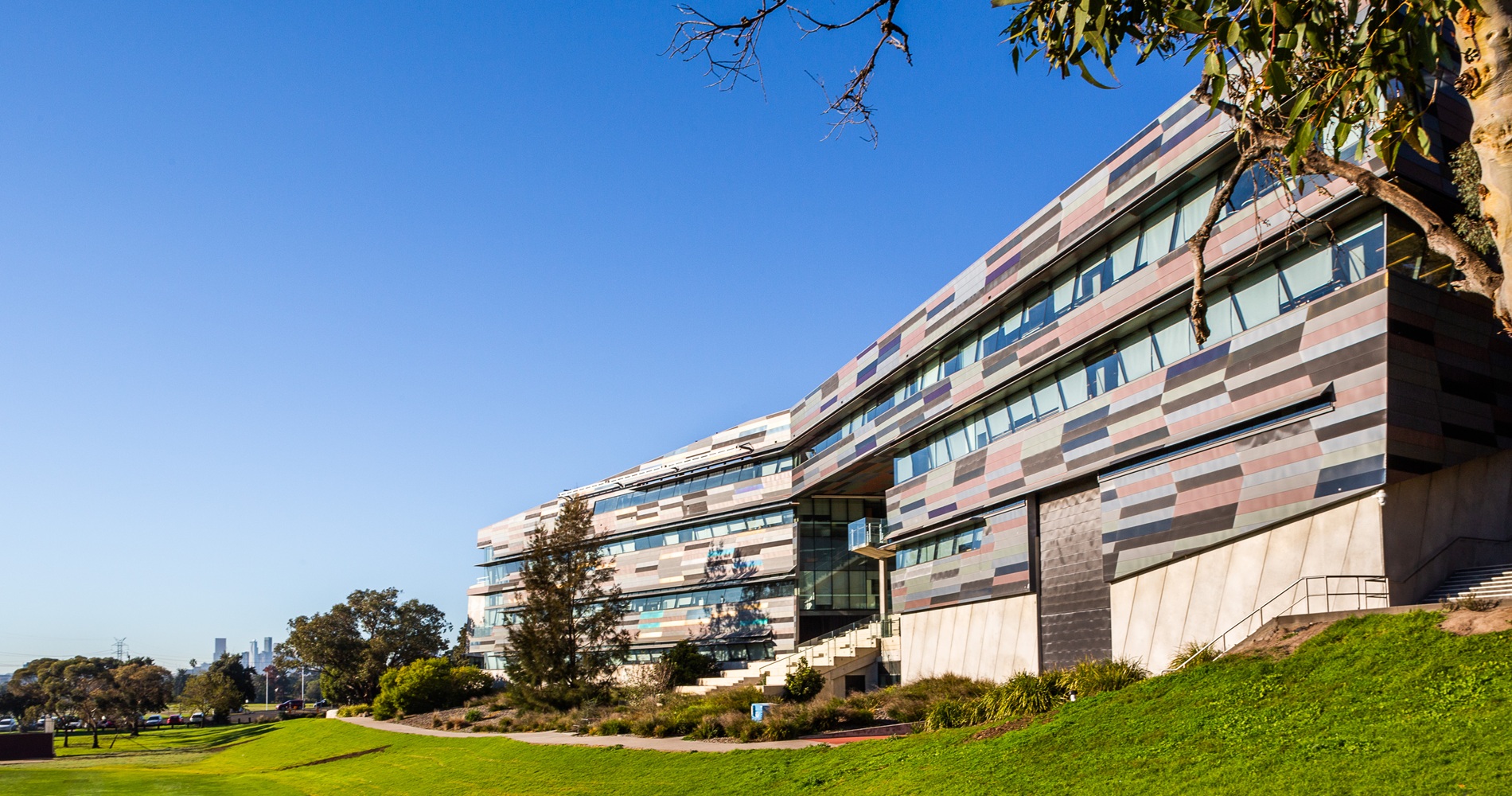
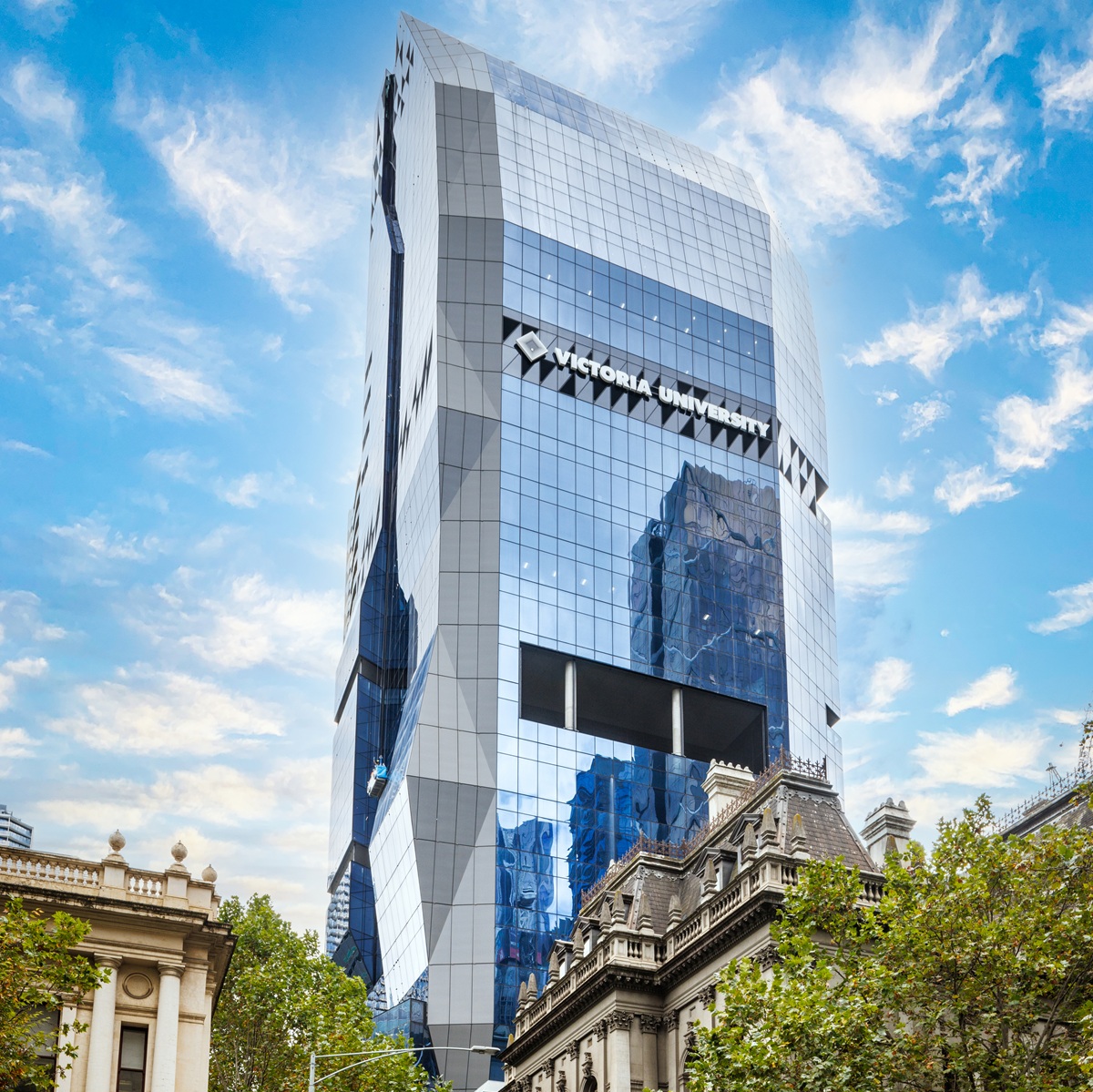
Victoria University (VU) in Melbourne is the direct successor to Footscray Technical School, which first opened its doors to students in February 1916. In 1991, VU was finally granted university status. As one of only six universities in Australia, Victoria University functions as a dual-sector university, which means that it combines academic and vocational education under one roof. This model is particularly attractive for students who want to combine practical training with an academic degree and switch flexibly between study paths. In combination with low admission requirements, VU thus enables a broad cross-section of society to access higher education.
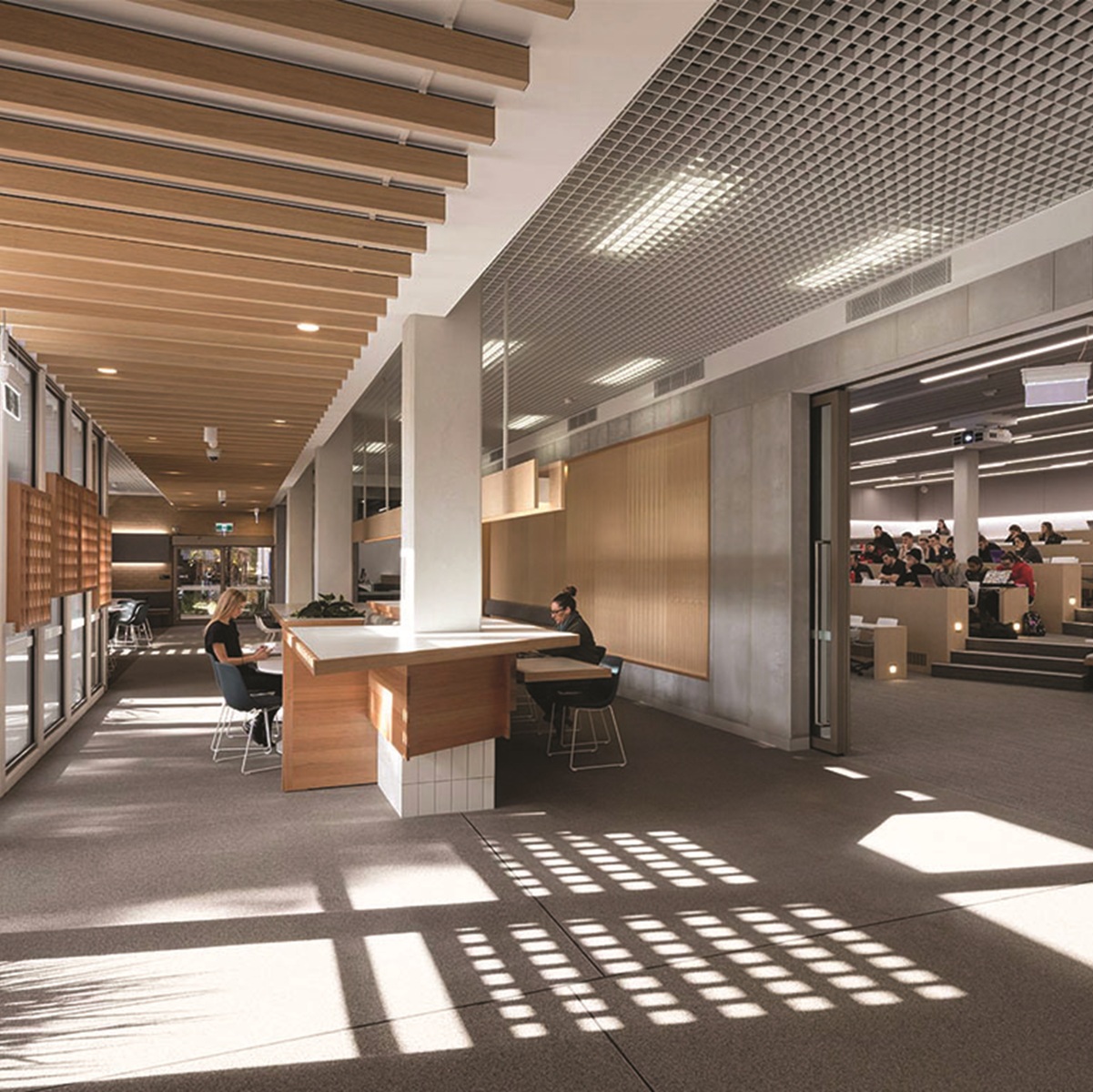
Another unique feature of Victoria University is its innovative teaching model. In 2018, Victoria University became the first university in Australia to introduce the revolutionary VU Block Model, which allows students to study one subject at a time instead of several at once. Depending on the level of study, the semester is divided into four four-week blocks or two eight-week blocks. Each block is dedicated exclusively to one or a maximum of two subjects. In small, workshop-style classes lasting three hours three times a week, students immerse themselves deeply in the subject matter and master their skills before moving on to the next subject. With an exam at the end of each block, the exam period at the end of the semester is spread out, resulting in significantly improved pass rates and grades.
Victoria University's wide variety of programs in the fields of arts, business, education, engineering and science, health and biomedicine, law and justice, as well as sports and exercise science attracts students from all over the world. With just under 50% of students coming from a non-English-speaking background and/or being the first in their family to pursue a university degree, VU's student body is considered particularly diverse.