MBS Logo

Università degli Studi
Roma Tre

Do you dream of spending your semester abroad in one of the world’s most culturally rich cities—while studying at a university that combines academic excellence, international networking, and a genuine urban experience? Then the Università degli Studi Roma Tre in Rome is the perfect place for you. Located in the heart of the vibrant Ostiense district, Roma Tre University offers a modern, lively academic environment with close ties between the university and the city. Here, you don’t just study alongside city life—you study right in the middle of it. On our website, you’ll find all the important information about the university, the city, and more—and learn how your dream of studying abroad in the Eternal City can become a reality. Who knows—maybe you’ll soon be sitting in the sun with an espresso, working on your next assignment on your way to the Colosseum?

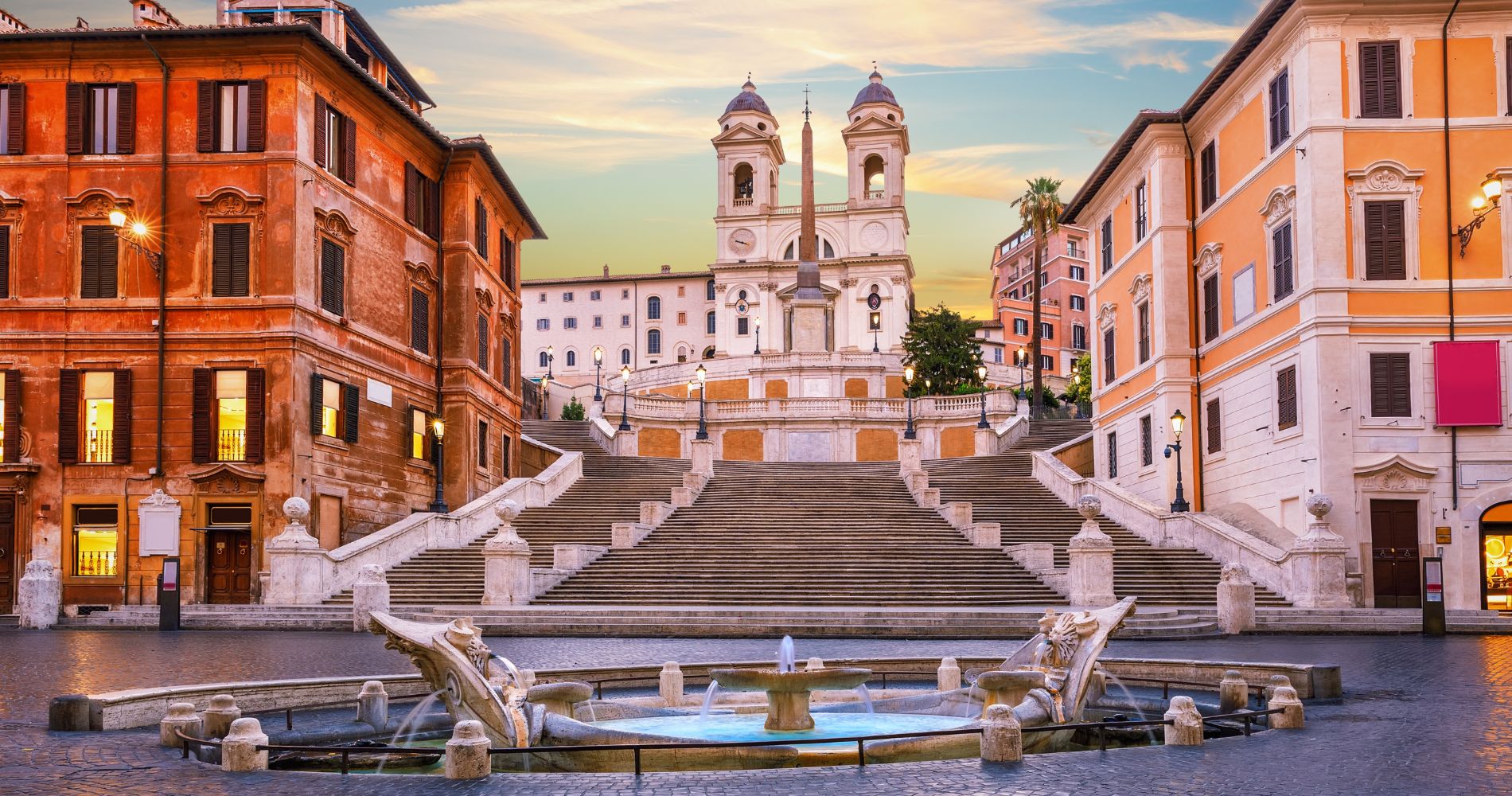
Rom – Spanische Treppe mit Barcaccia-Brunnen und Kirche Trinità dei Monti im Morgengrauen.
urban
international
strong in research

About The University

Roma Tre—the name says it all: The university is the youngest of Rome’s three major public universities. Founded in 1992, it has developed in a relatively short time into a recognized research and teaching institution with over 34,000 students. What sets it apart from many other Italian universities is its distinctly urban identity: Roma Tre is not isolated from city life, but rather an integral part of it. The campus buildings are spread across the Ostiense district, a former industrial area that has transformed in recent decades into one of Rome’s most creative and up-and-coming neighborhoods.

The heart of the university for MBS students is the Facoltà di Economia “Federico Caffè”—named after the renowned Italian economist Federico Caffè. Here, students are trained in the fields of economics, management, finance, and business administration. The faculty places great emphasis on a solid theoretical foundation, combined with empirical research and international exchange. Business English courses and English-language classes are an integral part of the curriculum.

At Roma Tre, internationality is not just a buzzword—it is actively embraced. The university has been part of the Erasmus+ program for many years and maintains exchange agreements with universities throughout Europe and beyond. Students participating in exchange programs receive excellent support: a dedicated International Office assists incoming exchange students from the moment they arrive until the end of the semester. The teaching approach combines academic rigor with a clear focus on the job market. Smaller seminar formats, research-oriented courses, and direct interaction with faculty members from both academia and the professional world characterize everyday life on campus. Students at Roma Tre benefit from the advantage of Rome’s location: EU institutions, international organizations, and global companies headquartered in the capital offer interesting insights and networking opportunities—right on their doorstep.

Facts & Figures

Active Erasmus+ Network

Roma Tre has been an active participant in the Erasmus+ program for years and is one of the most popular Erasmus partner universities in Italy. The university’s International Office provides comprehensive support to incoming exchange students—from course selection and registration to housing placement and orientation week. Erasmus students who come to Rome are integrated into campus life right from the start.

34,000+ Students

Roma Tre is one of Italy’s largest universities. With over 34,000 enrolled students from Italy and abroad, campus life is vibrant, diverse, and international. Just under 8% of students come from abroad—a percentage that is steadily rising thanks to the active Erasmus+ program and a growing number of international partnerships. The mix of local and international students makes a semester in Rome a truly intercultural experience.

Research with a Social Mission

Roma Tre sees itself as a research-intensive university with a social mission. The university is actively engaged—both nationally and internationally—in fields such as urban development, sustainable economics, law, and social justice. Collaborations with public institutions, think tanks, and international organizations—facilitated by the university’s location in the capital—make research tangible and practical. Exchange students also benefit from these opportunities.

13 Departments & 8 Faculties

Roma Tre University offers a broad academic spectrum: from architecture and engineering to law, political science, and education, as well as business, the natural sciences, and the humanities. Of particular relevance to MBS students is the “Federico Caffè” School of Economics, which produces graduates with degrees in management, finance, and economics.

The Roma Tre University Campus

Roma Tre is not a traditional campus university with a central, enclosed campus. Instead, its libraries, seminar buildings, laboratories, and administrative offices are spread throughout the Ostiense district in southern Rome—a neighborhood that has undergone a remarkable transformation in recent years. Old industrial halls and warehouses have been transformed into cultural centers, restaurants, studios, and, indeed, modern university buildings. The result: a campus that blends organically into the urban fabric and comes alive anew every day. The Facoltà di Economia “Federico Caffè” is located on Via Silvio D’Amico, a central hub of the economics campus. Here, students will find well-equipped lecture halls, seminar rooms, and library areas. The learning environment is modern and functional—with the charm of a true big-city university that isn’t closed off from the outside world but opens up to it.

If you need a break between lectures, you’ll be spoiled for choice: cafeterias on campus, alleys lined with street art in the neighborhood, the nearby Tiber River promenade, or one of the many small bars where a good espresso costs less than two euros. Rome isn’t just a backdrop—it’s part of the academic experience.

Ostiense – the other campus

Visitors to Roma Tre will discover a neighborhood that has little in common with the touristy, postcard-perfect Rome. Ostiense is raw, creative, and authentic—with the Gasometer as its landmark, the Ostiense/Marconi street art mile, and a thriving culinary and cultural scene. For exchange students who want to experience authentic city life alongside their studies, this campus is a real hidden gem.
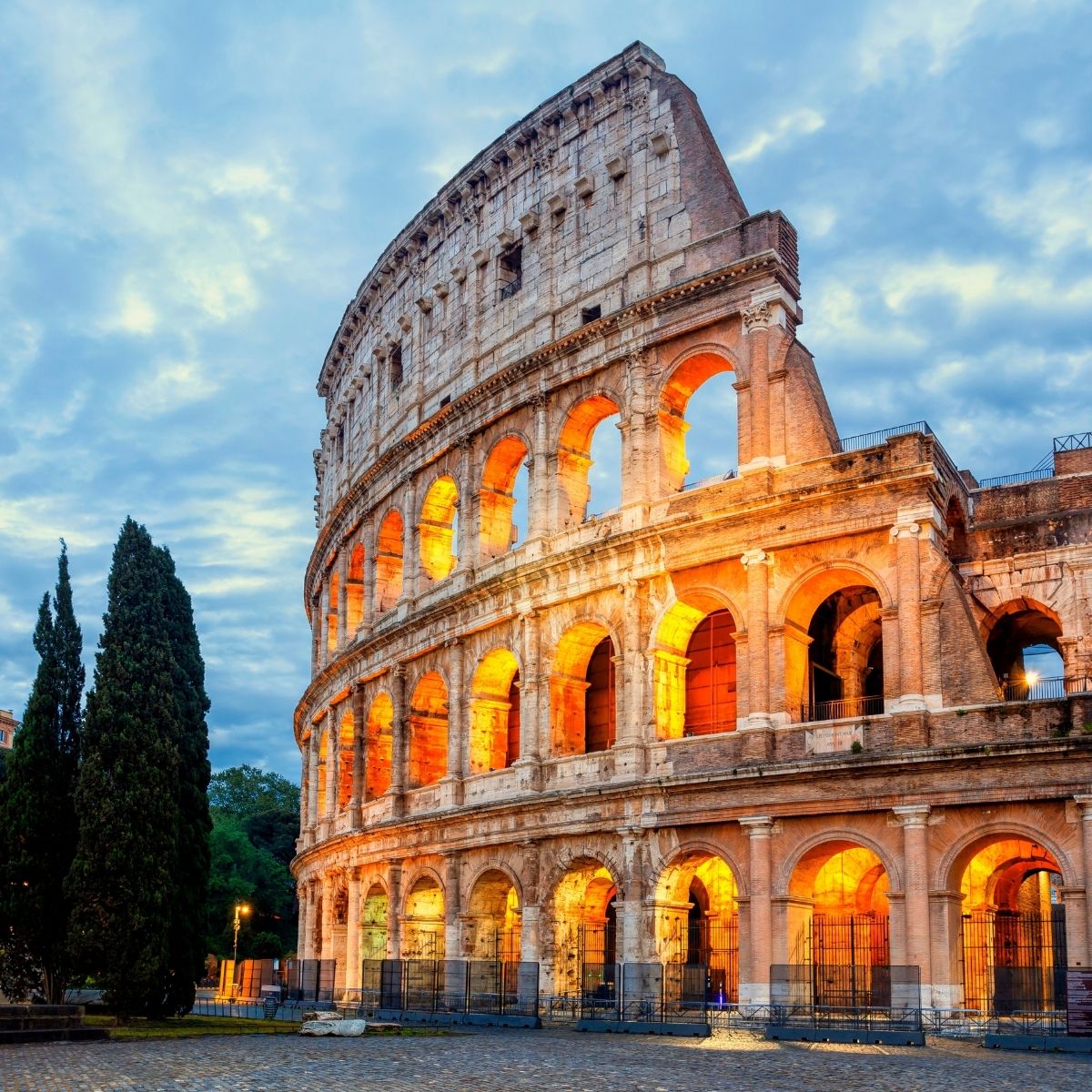
Rom – Kolosseum bei Nacht mit warmem Licht in den Bögen und Zypressen im Vordergrund.
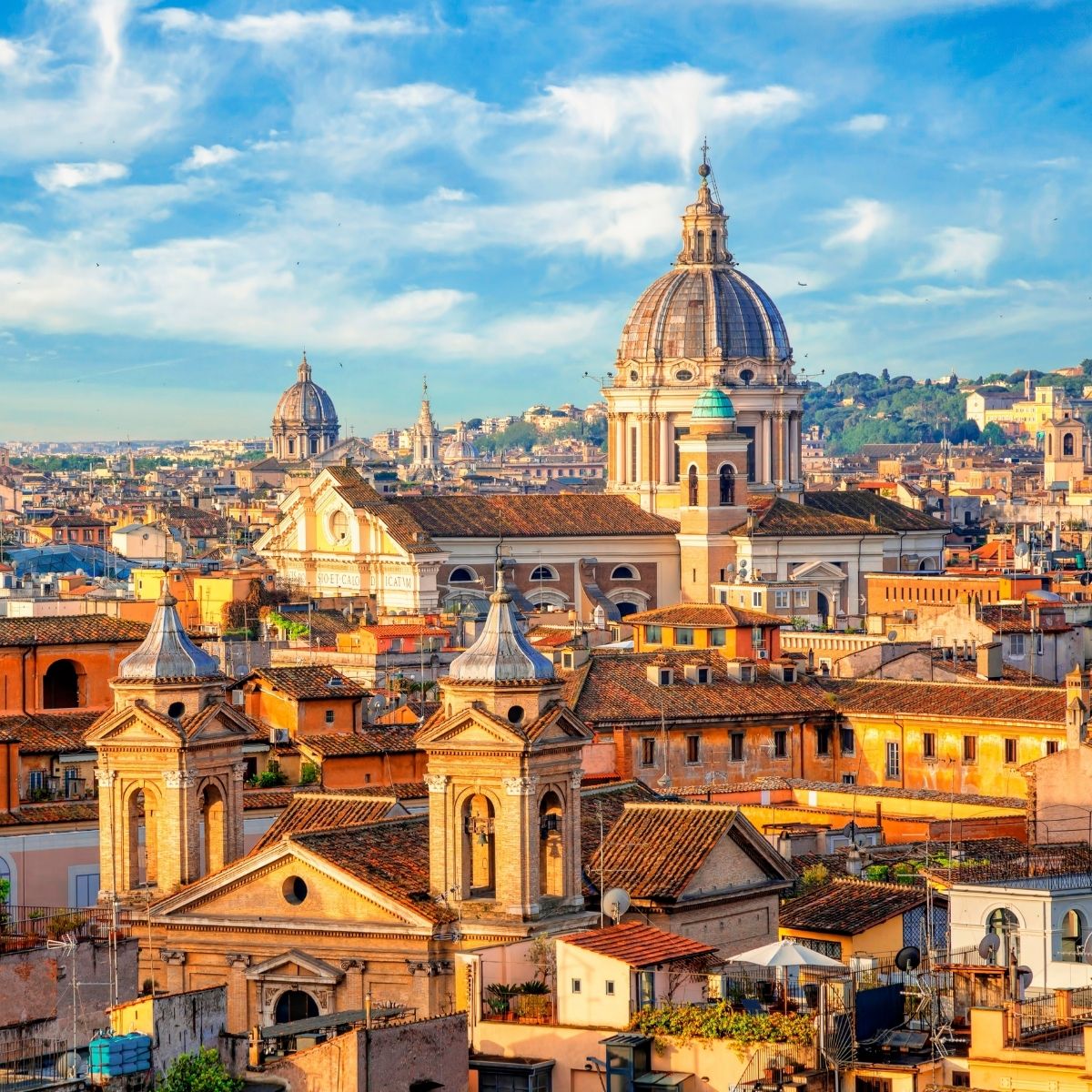
Rom – Panoramablick über die Altstadt mit Kuppeln und Kirchtürmen im warmen Abendlicht.

Living and Housing in Rome

As the capital of Italy and one of Europe’s most important cities, Rome offers a cultural, culinary, and historical experience that is unparalleled anywhere in the world. The Colosseum, the Vatican, Trastevere, Piazza Navona—all of these are right on your doorstep. But what makes studying in Rome, so special isn’t the list of sights: it’s the way of life. The way the city breathes—how a lunch in the park on the Aventine Hill or an evening in a small osteria in the Testaccio neighborhood turns the semester into an unforgettable experience. With around 2.8 million residents, Rome is a true metropolis—and at the same time, a city made up of neighborhoods, each with its own character. The Ostiense district surrounding the campus is young, lively, and increasingly international, which makes settling in as an exchange student much easier. The public transit network, with its subway, trams, and buses, reliably connects all parts of the city.

Finding a place to live in Rome is definitely a challenge—the housing market is tight, and prices are, on average, higher than in many other European university cities. Those who plan early have significantly better chances:

  1. Dormitories & private student housing: Roma Tre itself has a limited number of student housing units (DiSCo Lazio). The regional student services organization DiSCo manages dormitory spaces in various neighborhoods of Rome. Demand far exceeds supply, so applying early is essential.
  2. Rooms in shared apartments: In neighborhoods such as Ostiense, Garbatella, Trastevere, Pigneto, or Prati, prices for a room in a shared apartment typically range from 500 to 750 € per month, depending on location and amenities.
  3. Private apartments: For singles who do not prefer shared living, prices start at around 900–1,100 € per month, primarily in central locations.

Platforms such as Uniplaces, Spotahome, or local Facebook groups for Erasmus students in Rome are helpful when searching for housing. The International Office at Roma Tre also offers guidance and can provide contacts upon request. Those who shop at the market, eat at small osterias, and use public transportation can live on a budget.

Testimonials from MBS Students

Sophie Düsterhöft Former master's student at MBS and exchange student at Roma Tre
"I highly recommend spending your semester abroad in Rome! The city is an absolute must-see and should be on everyone’s bucket list. Not only Rome, but Italy as a whole is a beautiful and diverse country—and how lucky are we that it’s just a stone’s throw away from where we study?! I had a wonderful time in Rome—it shaped me, challenged me, and helped me grow. I’m so glad that Munich Business School gave me the opportunity to spend my semester abroad in this city."

Your Path to Roma Tre University

1. Request information about studying at Munich Business School

+

2. Apply to Munich Business School

+

3. Spend your first semesters at Munich Business School

+

4. Plan Your Semester Abroad

+

5. Semester 3, 4, or 6: Your Erasmus semester at the Università degli Studi Roma Tre

+

Application

To qualify for a business degree program at Munich Business School—and thus also at Università degli Studi Roma Tre—you must meet certain academic and language requirements. MBS offers several application rounds. We recommend applying early, as the number of available spots is limited.

Frequently Asked Questions (FAQ) About Studying at the Università degli Studi Roma Tre

An Erasmus semester in Rome is an absolute highlight for many students—and for good reason. At the same time, studying abroad in Italy raises many practical questions: How exactly does the Erasmus program work? What courses can I take? And how expensive is life in Rome really? In this FAQ, you’ll find answers to the most common questions about your semester at the Università degli Studi Roma Tre.

How good is Roma Tre University?

+

Are classes taught in English at the Università degli Studi Roma Tre?

+

How much does it cost to live as an Erasmus student in Rome?

+

Did you find this article helpful? Do you have any suggestions or questions about this article? Have you noticed something or is there a topic you would like to know more about? Your feedback is important to us! It enables us to constantly improve our offer and provide you with exactly the content you are interested in.
Contact editorial office

Note on readability and salary information: The salary ranges given refer to Germany.