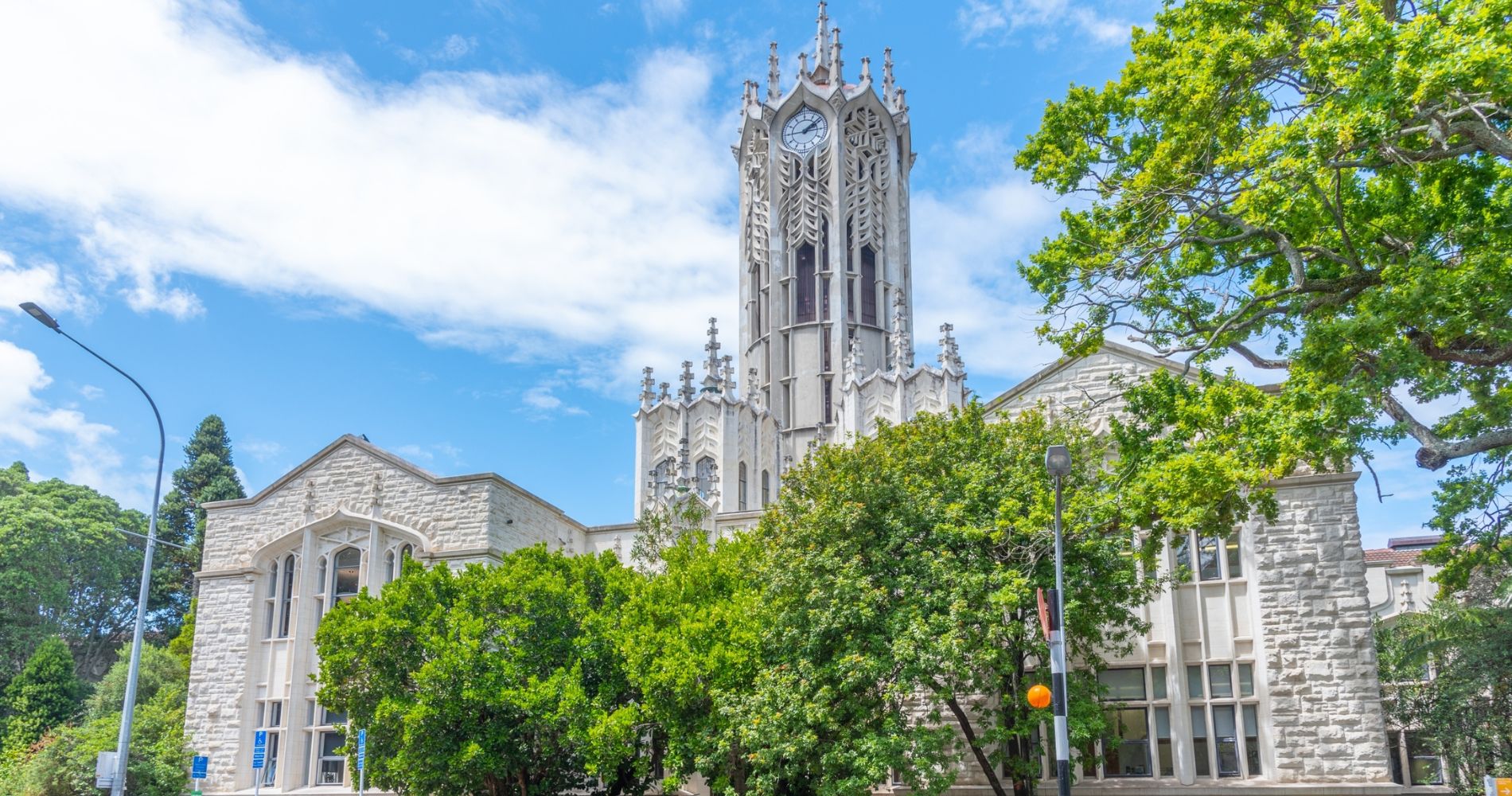
Auckland is a city that leaves hardly anyone indifferent. As New Zealand’s largest city, with about 1.7 million residents, it is the country’s economic, cultural, and multicultural hub—and at the same time one of the world’s most nature-friendly metropolises. Hardly any other city offers you a lecture hall with a view of the harbor in the morning, surfing on the beach at noon, and a vibrant restaurant scene in the evening—all within a very small area. Auckland is defined by its multicultural DNA: About 40% of the population was born abroad, and the influences of Polynesia, Asia, and Europe are evident everywhere—in the cuisine, in the art, and in everyday life. This openness makes it easy for international students to settle in and make connections.
Anyone who loves being in nature will be thrilled by Auckland. Waitemata Harbor with its sailboats, volcanic cones like Mount Eden or One Tree Hill with panoramic views of the city, white-sand beaches like Mission Bay or Takapuna are never far away, as is Waiheke Island—just 35 minutes away—a paradise of vineyards, olive groves, and turquoise waters. Further afield, the Coromandel Peninsula, Rotorua, and the Hobbiton film sets in Matamata beckon for unforgettable weekend getaways.
The cost of living in Auckland is high by New Zealand standards. Exchange students studying at the University of Auckland should start looking for housing well in advance. The University of Auckland offers university-owned residence halls (Halls of Residence), which are particularly recommended for the first semester: they provide a quick way to make friends and are logistically straightforward. Prices start at around 250–320 NZD per week, often including meals. Those who prefer private housing will find shared apartment options in neighborhoods such as Grafton, Parnell, Mount Eden, or Kingsland that are well-suited for students. Rent for a room in a shared apartment typically ranges between 200 and 350 NZD per week—depending on location and amenities. As for daily life: Auckland is well served by public buses, though the service is less frequent than in major European cities. It’s worth familiarizing yourself with the route network ahead of time.