MBS Logo

Studying in
Italy

Italy captivates visitors not only with its Mediterranean lifestyle à la “La Dolce Vita,” historic cities, and world-famous cuisine, but also with a long academic tradition. When studying in Italy, you can expect renowned, long-established universities, international study programs, and a vibrant student life in Milan, Rome, or Bologna. At the same time, students benefit from a rich cultural diversity and plenty of sunshine. Curious? Then find out everything you need to know about “Studying in Italy” here. Visit the land of pasta and pizza with us!

Studentin mit Blick auf Florenz und den Dom – inspirierende Aussicht beim Studieren in Italien.

The Higher Education Landscape in Italy

Italy’s higher education system is clearly structured yet highly diverse. At its core are universities, which are organized as both public and private institutions and cover a wide range of academic disciplines. This offering is complemented by specialized institutions such as polytechnics (Politecnici) or elite graduate schools, which focus primarily on research and advanced academic training. In addition, the AFAM system provides a separate track for artistic disciplines such as art, music, design, and theater, with degrees from these programs being equivalent to university degrees.

So-called CFUs (Crediti Formativi Universitari) play a central role in the degree program. These credit units correspond to the European ECTS system and serve as a measure of the total workload of a degree program. One CFU represents approximately 25 hours of work; students typically earn 60 CFUs per academic year. The calculation includes not only lectures but also seminars, internships, and self-study, which ensures that the program is clearly structured and comparable across Europe.

With approximately 1.8 million students, Italy is one of Europe’s established study destinations. At the same time, the country is gaining increasing international prominence: the number of English-language degree programs is growing steadily, and many universities are specifically tailoring their programs to international students. Tradition and innovation go hand in hand—not least thanks to institutions such as the University of Bologna, which, as the world’s oldest university, continues to shape the country’s academic profile to this day.

Five reasons why you should study in Italy

Are you already excited about the idea of planning your semester abroad in Venice or fulfilling your dream of studying in Rome? Or do you still have doubts about leaving your familiar surroundings? That’s completely understandable—after all, studying abroad in Italy is a big step. Still, we can assure you: it’s worth it! If you take a closer look, you’ll quickly see that the benefits clearly outweigh the drawbacks. That’s why we’ve put together five good reasons why studying in Italy is definitely worth it—convincing, right?

Historic Universities

Italy is one of Europe’s most historic centers of higher education. With institutions such as the University of Bologna, the country is home to some of the oldest universities in the world. Italian universities have enjoyed a high international reputation for centuries, particularly in fields such as art, architecture, medicine, and engineering.

Many scholarships

Italy offers international students a wide range of financial aid opportunities. Particularly common are the regional DSU scholarships, which are awarded based on family income and may cover up to €8,000 per year, as well as free meals or housing. In addition, the Italian government supports international students with MAECI scholarships to promote cultural and scientific cooperation.

Culinary variety with meal vouchers

Italy also has a lot to offer students in terms of cuisine. Italian cuisine, with its regional diversity and high quality, is among the most popular and well-known in the world. At the same time, many universities support their students by offering discounted cafeteria meals or daily meal vouchers of up to €5, which can significantly reduce the cost of living.

Cultural Heritage and Scenic Diversity

Hardly any other country combines history, art, and nature as seamlessly as Italy. Cities like Rome, Florence, and Venice continue to shape Europe’s cultural heritage to this day. At the same time, the landscape stretches from the Alps in the north through Tuscany to coastal regions such as Sardinia and the Italian Riviera—ideal conditions for a diverse student life.

Lifestyle and Fashion

Italy is known worldwide for its style, design, and quality of life. Milan, in particular, is regarded as an international hub for fashion and design, attracting creative minds from all over the world. At the same time, the famous “La Dolce Vita” defines everyday life: good food, long evenings with friends, and a relaxed lifestyle make studying in Italy particularly appealing.

Four Things You Need to Know About Studying in Italy: University Life, Grading System, and More

College Degrees and Duration of Study

Since the Bologna Process, degrees within the European Higher Education Area are no longer distinct from one another. The higher education system is divided into three cycles. The first cycle consists of a bachelor’s degree, also known as the Laurea di Primo Livello, and typically lasts three years. Upon completion, students receive a bachelor’s degree called Dottore. This is followed by the Laurea Magistrale (Master’s) in the second cycle, which focuses on specialization and lasts an additional two years. The degree here is called Dottore Magistrale. In certain fields, such as medicine, law, or architecture, both levels are combined into a single, continuous program called the Laurea Magistrale a Ciclo Unico. These programs typically last 5 to 6 years and also lead to the degree of Dottore Magistrale. The third cycle consists of the doctoral program (Dottorato di Ricerca), which focuses on independent research and usually lasts 3 to 5 years.

The advantage of the Bologna Process is that these degrees are recognized by all higher education institutions, both in Germany and abroad. This promotes international mobility and opens up a wide range of career and continuing education opportunities for you.

Studentin an einem Kanal in Venedig – das besondere Lebensgefühl beim Studieren in Italien erleben.
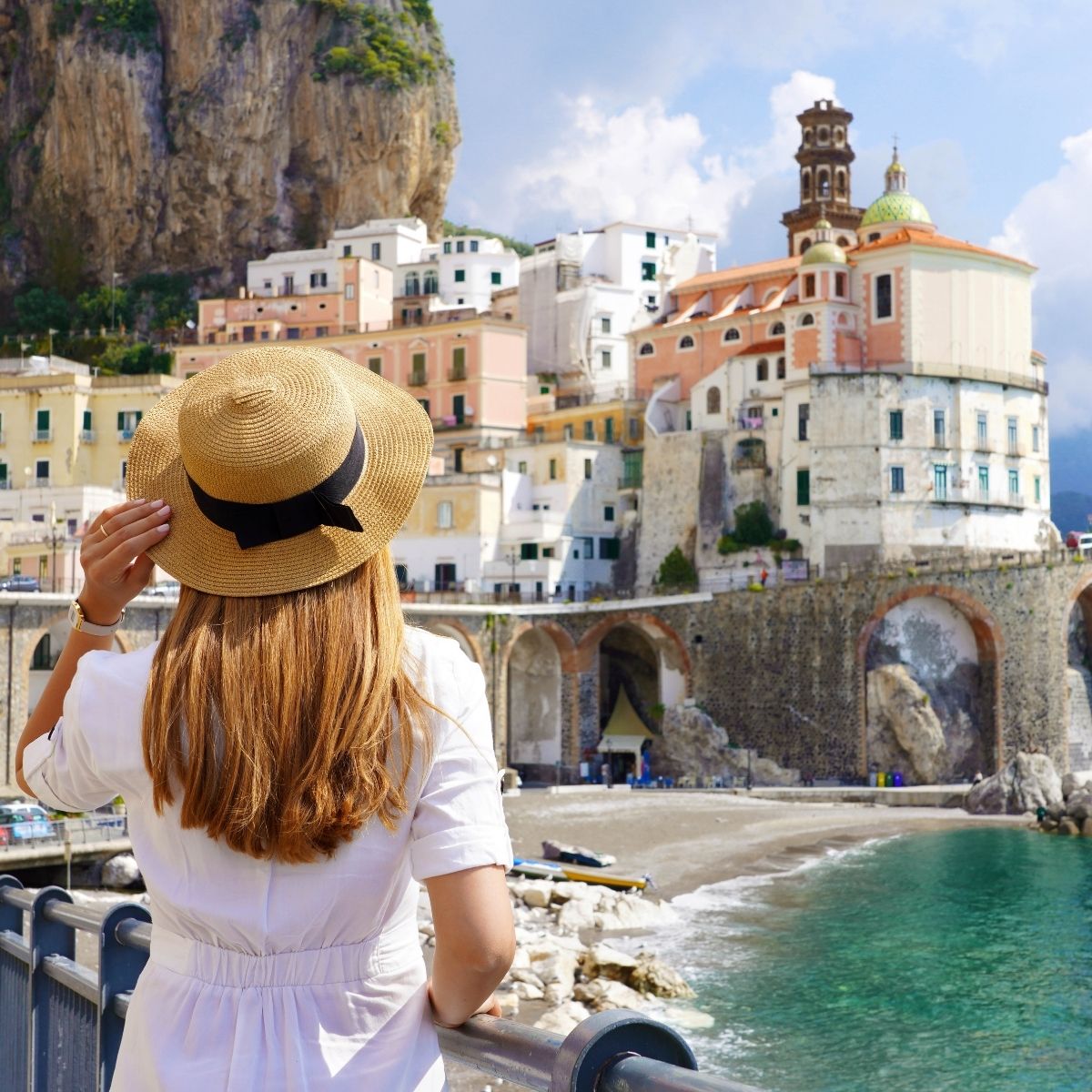
Küstenstadt an der Amalfiküste erleben – mediterranes Flair beim Studieren in Italien genießen.

Semester Dates

The academic year in Italy, also known as the Anno accademico, is divided into two semesters. The winter semester begins in September, although classes typically start in October and run through January. The summer semester is structured similarly and therefore usually begins as early as February, although lectures typically start in March and run through June/July. Final exams take place at the end of each semester, i.e., in January/February or June/July. Oral exams are the most common format, though written exams are also used. Sometimes a combination of both is required.
 

Everyday Life at Uni

Your daily university life while studying in Italy is structured and planned. Every degree program has a curriculum that lists the courses to be taken in each semester. Classes may include both mandatory and optional sessions. Large lectures are the most common form of instruction, though seminars and courses are also often large in size. This can, of course, vary depending on the size of the university; at smaller universities, the relationship with the instructor tends to be closer, and oral participation is valued more highly.
 

The Italian grading system

In Italy, a point-based grading scale is used, with 18 points being the minimum, which is roughly equivalent to a 4 in the U.S. The maximum score is 30 points, which is comparable to a 1. An exception to this is "30 con lode" (cum laude), which is awarded in exceptional cases and recognizes outstanding academic achievement. With fewer than 18 points, the exam is considered failed and must be retaken at the next exam date.

Tuition Fees: How Much Does It Cost to Study in Italy?

Studying in Italy generally involves tuition fees. However, compared to other popular study destinations, the costs are often moderate, particularly at public universities. The actual amount of the fees depends on various factors—such as the university, the field of study, the degree level, or the student’s financial situation. There are therefore no standard fees, as each university sets its own fee structure.

At public universities, tuition fees typically range from 600 to 4,000 euros per year, though they are often in the range of about 750 to 3,000 euros annually. In addition, a general enrollment fee is charged, which is standardized nationwide. Some universities also take family income into account. At the University of Rome Tor Vergata, for example, tuition fees are based on the student’s financial situation and can vary between approximately 150 and 5,000 euros per year.

Private universities and specialized institutions typically charge significantly higher tuition fees. These can easily range from 6,000 to 20,000 euros per academic year. In return, these institutions often offer smaller class sizes, specialized degree programs, or a stronger international focus.

On the positive side, many Italian universities offer discounts and financial aid to students from low-income families. Overall, therefore, despite the existence of tuition fees, Italy is still considered a relatively affordable destination for studying abroad—especially when compared to countries such as the United Kingdom or the United States.


Cost of living in Italy

+

Study in Italy at a lower cost: a semester abroad instead of a full degree program

+

Funding Options for Your Studies in Italy

Even though tuition fees for studying in Italy are relatively low, you’ll still need to be able to finance your time abroad. Generally speaking, studying abroad involves higher expenses than studying in your home country, if only because of travel costs. Fortunately, there are a number of ways you can cover the costs of studying in Italy. Here are a few ideas to get you started:

Erasmus+

Italy is one of the countries participating in the Erasmus+ program, which means you have an excellent chance of not having to pay tuition fees and of receiving a mobility grant.

To be eligible for Erasmus+ funding, both your home university and the host university must participate in the Erasmus program and have established a bilateral partnership. If these conditions are met, you can apply to your home university for an Erasmus study program. Funding is available for study periods in Italy lasting a minimum of two and a maximum of twelve months. Therefore, a full bachelor’s or master’s degree program in Italy cannot generally be funded through Erasmus+, whereas one or two semesters abroad can be.

With Erasmus+ Italy, you not only benefit from the waiver of tuition fees in Italy, but you also receive monthly financial support and a travel allowance. Since the funding is provided as a grant, you do not have to repay the money. In addition, Erasmus+ Italy can be combined with other funding options, such as the BAföG in Germany for study abroad.

+

Scholarship

Students who wish to study in Italy can choose from a wide range of scholarships offered by foundations, public institutions, and private sponsors.

For German students, the DAAD scholarship database is a good place to start when looking for a scholarship. The German Academic Exchange Service (DAAD) is the world’s largest funding organization for the international exchange of students and researchers. Here you’ll find a wide range of interdisciplinary scholarships as well as subject- and country-specific grants. In addition to government funding programs, there are numerous university and private scholarship opportunities for international students in Italy. Particularly well-known are the scholarships offered by the Italian Ministry of Foreign Affairs (MAECI), which are primarily aimed at master’s students, doctoral candidates, and researchers. Depending on the program, tuition fees, living expenses, or travel costs may be covered in part or in full. Some grants amount to as much as €12,700 per year. Many universities also award merit-based or income-dependent scholarships. Additionally, there are regional funding programs that can even cover room and board if you demonstrate financial need. It’s best to check the individual university websites to see what requirements you must meet. Keep in mind that you generally need to apply for a scholarship at the same time you apply for admission.

+

BAföG for Study Abroad (only for German citizens or students with special residency status in Germany)

The advantage of the BAföG for international students is that it is also available to students who are not eligible for BAföG in their home country.

We recommend that you check right away whether you meet the necessary requirements. If you do, your tuition fees in Italy can be subsidized by up to €5,600 for a maximum of one year—regardless of whether you are spending a semester abroad in Italy for at least 12 weeks or pursuing a full degree program in Austria. In addition, throughout your entire stay abroad, you will receive a monthly stipend to help cover living and housing expenses, a lump-sum travel allowance for your round-trip journey, and a supplement toward international health insurance.

Half of the BAföG for study abroad consists of a grant, and half of an interest-free loan. This means that you must repay part of the financial aid after you finish your studies. However, the portion covering tuition fees is exempt from repayment.

+

Working in Italy

As an international student, you are allowed to work in Italy while you study. EU students can work without any restrictions.

For students from non-EU countries, the limit is 20 hours per week or 1,040 hours per year, provided they have a valid student visa and residence permit. Typical part-time jobs can be found in the restaurant industry, tourism, or tutoring. International students with good English skills are in particularly high demand. A part-time job can help cover at least some of your living expenses—while also allowing you to gain valuable international work experience.

+

Student Loan or Education Fund

There are several potential providers that can help you at least partially finance your dream of studying in Italy.

Various financing options are available to students from Germany or with ties to Germany: The KfW student loan is particularly suitable if you want to spend one or two semesters studying abroad in Italy. Under certain conditions, the German government’s education loan can support both semesters abroad and full degree programs in Italy. The private education fund Deutsche Bildung focuses specifically on studying abroad. If you are not from Germany, you should check individually which student loans or education funds are available in your home country.

Before you decide on an offer, it’s worth carefully comparing the different providers. You should also keep in mind that these financing models are loans that must be repaid, including interest. For more information on how student loans and education funds work, visit our Blog.

+

Admission requirements for studying in Italy

If you’re planning to study in Italy, you should find out about the relevant admission requirements and application procedures well in advance. While the application process at many universities is relatively straightforward and handled directly through the institution, deadlines, requirements, and selection procedures can vary significantly. To help you stay on top of things, we’ve compiled a list of the most important requirements:

  • Educational Qualifications: To pursue a bachelor’s degree in Italy, you need a high school diploma or an equivalent qualification. This is officially recognized through the so-called “Dichiarazione di valore.” Admission to a Laurea Magistrale requires a first university degree; admission to a doctoral program also requires a relevant master’s degree.
     
  • Sufficient language proficiency: Many degree programs are taught in Italian. As a result, universities often require language certificates such as CILS or CELI. For English-language programs, TOEFL or IELTS scores are usually accepted. Depending on the university and degree program, a B2 or C1 level is generally required.
     
  • Entrance Exams and Application Materials: In Italy, there are both programs with open admission and programs with limited admission. Subjects such as medicine, architecture, and psychology, in particular, have a limited number of spots and require entrance exams. Many universities use the so-called TOLC test for this purpose. In addition, certified transcripts, an admission letter, and, in some cases, a statement of purpose or letters of recommendation are often required.
     
  • Entry and Visas: Students from non-EU countries need a student visa and a valid residence permit, depending on the length of their stay. In addition, they are often required to provide proof of financial support in the amount of approximately €5,000 to €6,000.
     
  • Health Insurance: International students are required to have valid health insurance. The annual cost is typically between €150 and €300.
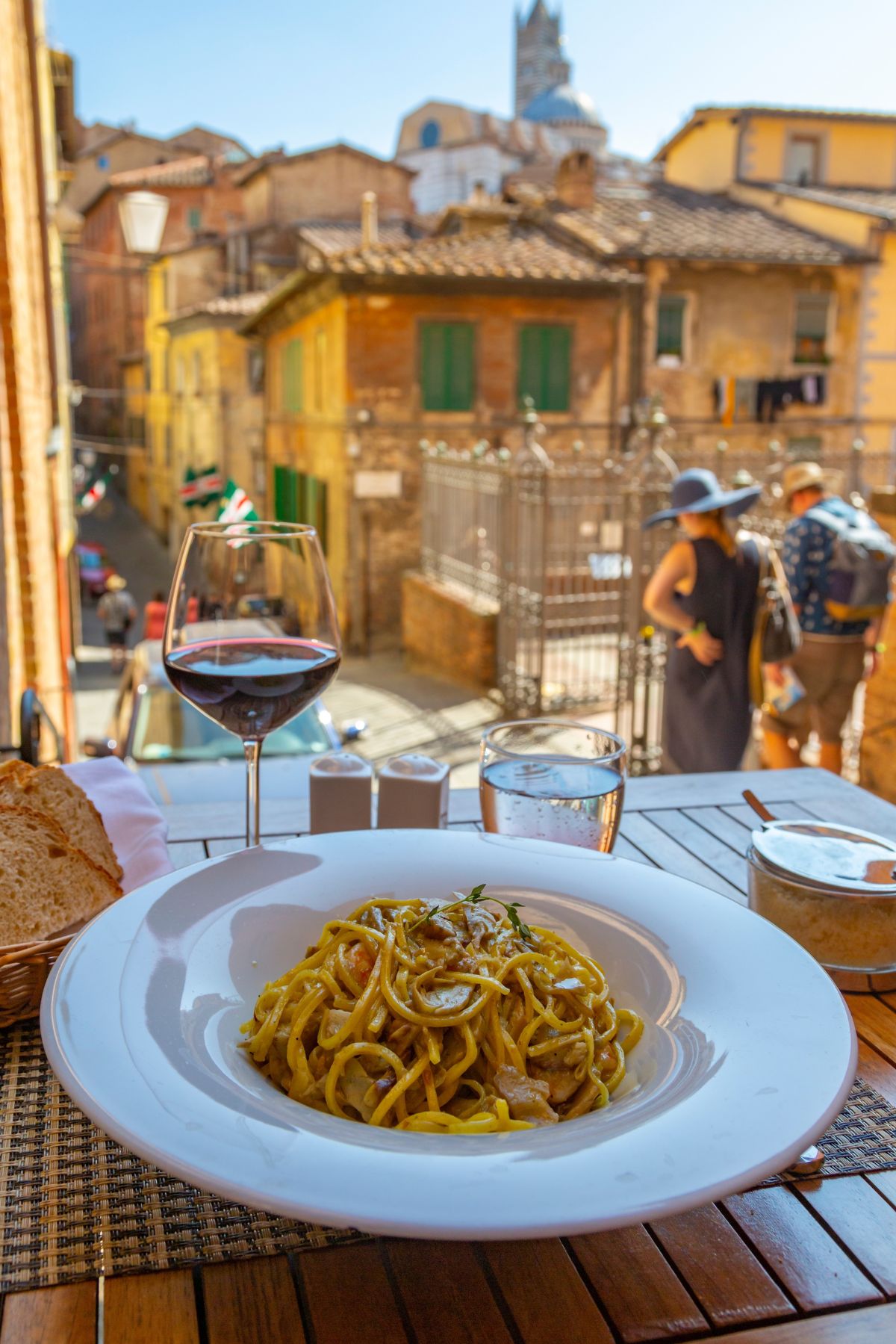
Pasta und Rotwein in einer Altstadtgasse – italienisches Lebensgefühl beim Studieren in Italien erleben.

Discover destinations for your study abroad program experience

You want to study abroad—that much is clear. But where should you go? It feels like the whole world is at your feet, and you’re spoiled for choice. North or south? A prestigious university that will give your career a real boost, or a semester abroad that feels more like a vacation than work? Ideally, you’d have it all. How on earth are you supposed to decide?

Our information pages will help you find the right destination and university for your study abroad adventure—whether in Europe, the U.S., or overseas: 

Frequently Asked Questions (FAQ) About Studying in Italy

Studying in Italy is a goal for many young people—and for good reason! At the same time, studying abroad in Italy is a major step that requires careful planning and financial preparation. To help you plan as effectively as possible, this FAQ section provides answers to common questions about studying in Italy.

Can Germans study in Italy?

+

Is it possible to study in Italy through Erasmus+?

+

Can you study in Italy with a German high school diploma?

+

Is it possible to study in English in Italy?

+

Is Italy a good place to study abroad?

+

Did you find this article helpful? Do you have any suggestions or questions about this article? Have you noticed something or is there a topic you would like to know more about? Your feedback is important to us! It enables us to constantly improve our offer and provide you with exactly the content you are interested in.
Contact editorial office

Note on readability and salary information: The salary ranges given refer to Germany.